Complete POS hardware setup cost for a new retail store
Complete POS hardware setup cost for a new retail store covers the register, scanner, printer, drawer, and PIN pad, billed apart from software and processing.
Plain-English answers on POS systems, processing fees and running the counter.
Jump to a payment, POS, compliance or operations topic. Every article stays listed.
Complete POS hardware setup cost for a new retail store covers the register, scanner, printer, drawer, and PIN pad, billed apart from software and processing.
NRS POS system price is a software plan plus hardware plus processing. Public monthly plans, bundle prices, and what that page still does not tell you.
Card processing cost on $100,000 depends on ticket size, not just the percentage. Worked examples show the formula; use your own agreement.

Yes. You can own the register and terminal. How purchase differs from rental or free placement, and what can remain tied to software or processing.
NRS Pay is National Retail Solutions' card processing, not the POS software plan. Public Clean Rate figures, cash-discount footnotes, and what to get in writing.
A merchant guide to grocery category codes and network programs. Verify the MCC on your agreement, then keep interchange separate from your processing rate.

Many POS systems bill a monthly software line separate from processing. How to split software, processor monthly, and hardware rent before you sign.
TotilPay Register public prices retrieved 2026-09-13. SNAP still needs USDA FNS authorization. WIC approval and POS rules come from the state WIC agency.
Skupos scan data is now sold as PDI Essentials. Public per-store prices retrieved 2026-09-10, and what the intermediary does not replace.
IT Retail is grocery POS, not a generic c-store kit. Public starter software, gated higher tiers, scanner scales and EBT, retrieved 2026-09-10.

What a liquor store POS system costs, broken into the four separate lines that get quoted as one: hardware, software, payment processing and support.

Three percent cannot be judged until you know if it is your statement’s processing rate or a fee shown to the customer. How to work the effective-rate method.
Square publishes its own rates and they differ by how the card is taken. How to find the current figure, work out your real cost, and compare it against an alternative.

Korona bills software as a monthly subscription per register, with card processing kept separate. What that model costs, who it fits, and what to ask.

Square has no single monthly price. It is a stack of subscriptions, hardware and per-swipe cost. Here is every line that can appear, and who it suits.

Clover hardware is sold by hundreds of banks and resellers, and each sets its own rate, plan and contract. What to compare before you sign anything.

Most of what you pay has nothing to do with the register. Here is the fee stack in order of size, and the four pricing models, ranked for a small store.
A Square fee calculator is only as honest as its inputs. The four numbers it needs, the costs owners forget, and how to compare the result with a written quote.
See when Stripe fits a retail counter, what to inspect beyond the headline rate, and how to compare checkout, hardware, disputes, and support.

Putting a year in the search is the right instinct. How to verify current pricing yourself, what tends to change each year, and the annual check worth doing.

The headline rate is one line of a Square bill. Where the current rate is published, the charges that sit around it, and how to turn the lot into one number.
Square can suit simple counters, but inventory depth, hardware fit, contract terms and total processing costs should decide whether it fits your store.
People mean one of two things by it: what card acceptance costs inside QuickBooks, or how to record the fee so the books match the deposit. Both answered here.
Taking three percent off a sale and adding three percent to it give different answers. The two directions the math runs, the base to use, and the fee it hides.
Square can suit a simple counter, but free software is not the full cost. Compare processing, hardware, inventory, support, and contract terms before switching.
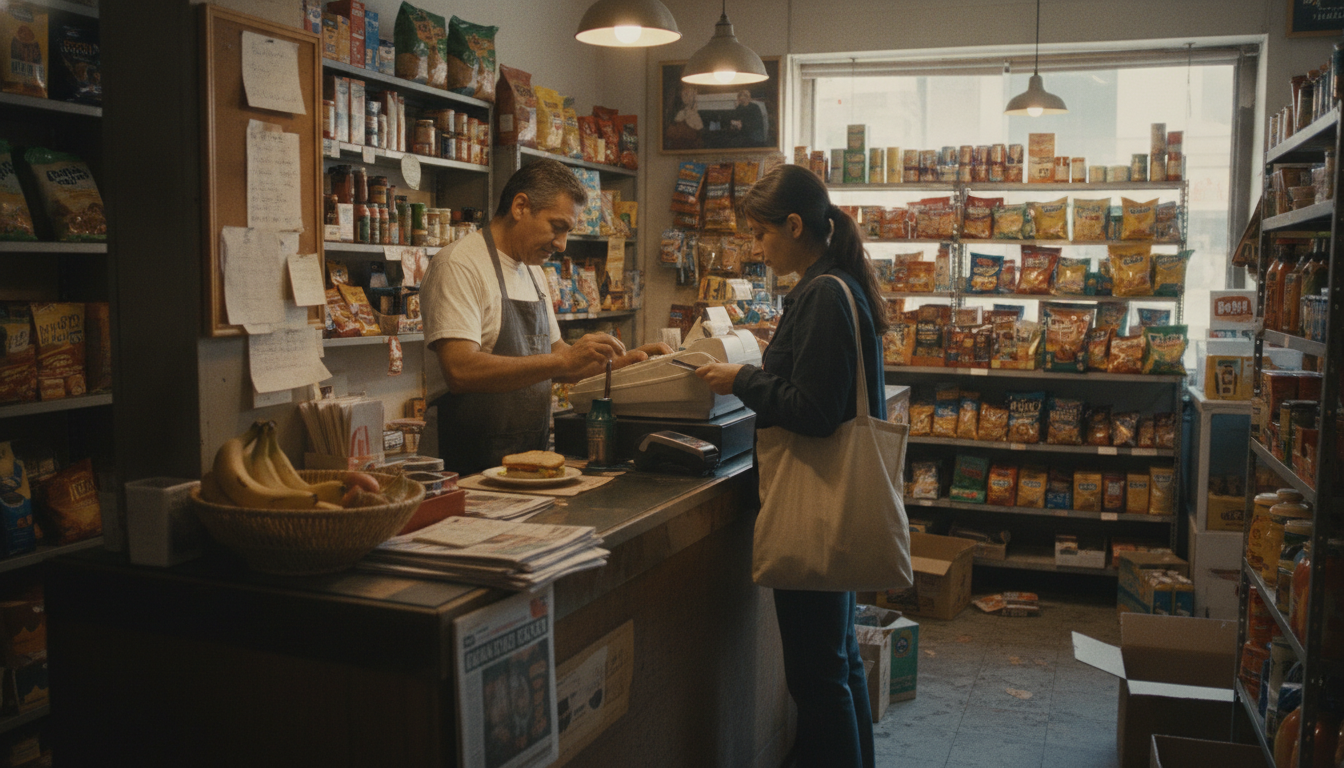
You cannot escape Square fees while accepting cards, but four levers genuinely shrink them. Ranked here by how much money each one moves for a small store.

Nothing legal makes card fees vanish. There are two real doors: shrink what you pay, or move part of the cost to the customer within the rules. Both explained.

Three percent of the sale is the easy part. The arithmetic that decides what you really pay is the fixed per-transaction fee sitting underneath it.
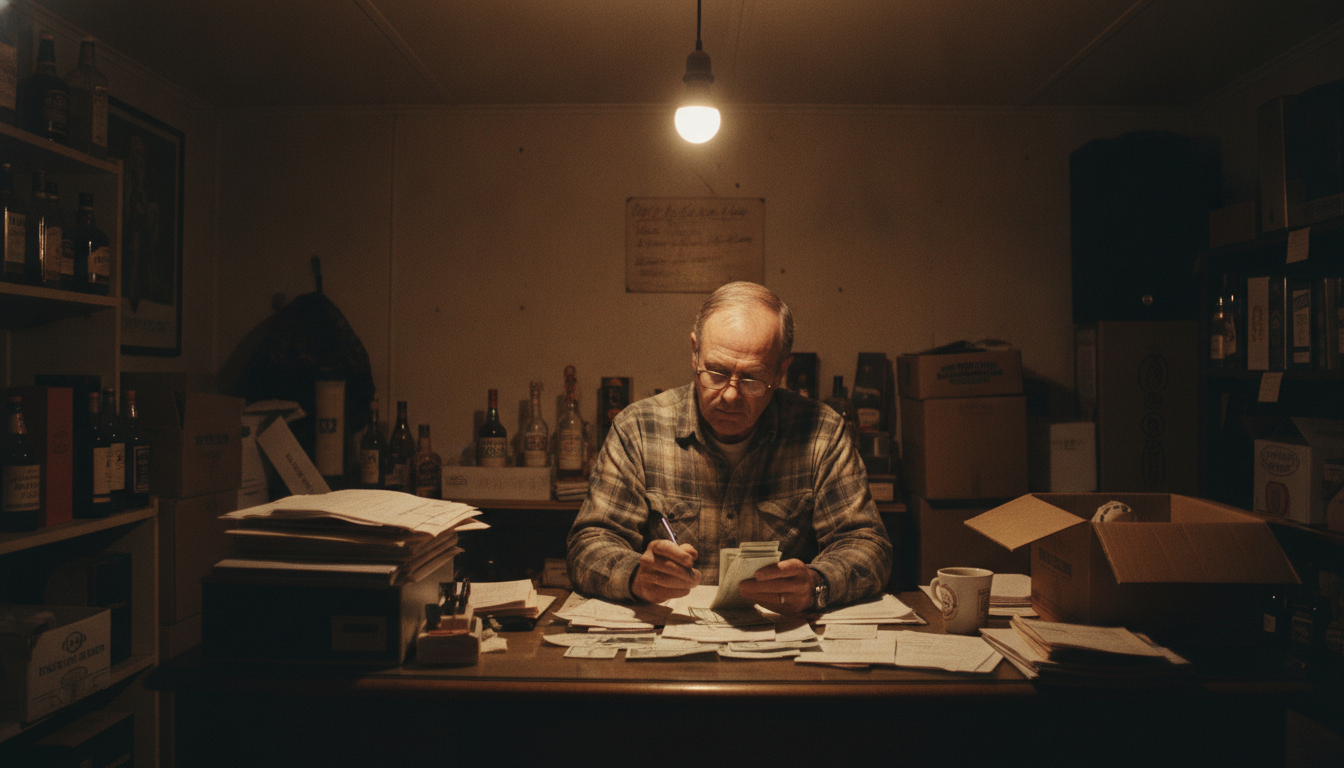
The merchant does, by default, and Square takes it out before the deposit lands. Here is the money flow, the refund and dispute cases, and the bookkeeping trap.

Square POS software starts free, and a monthly charge appears once you add paid plans, seats or add-ons. Here is what triggers one and when it is worth paying.

Square publishes one rate for everyone. Clover processing is sold through many resellers, so the rate varies by who signed you. That difference decides the comparison.
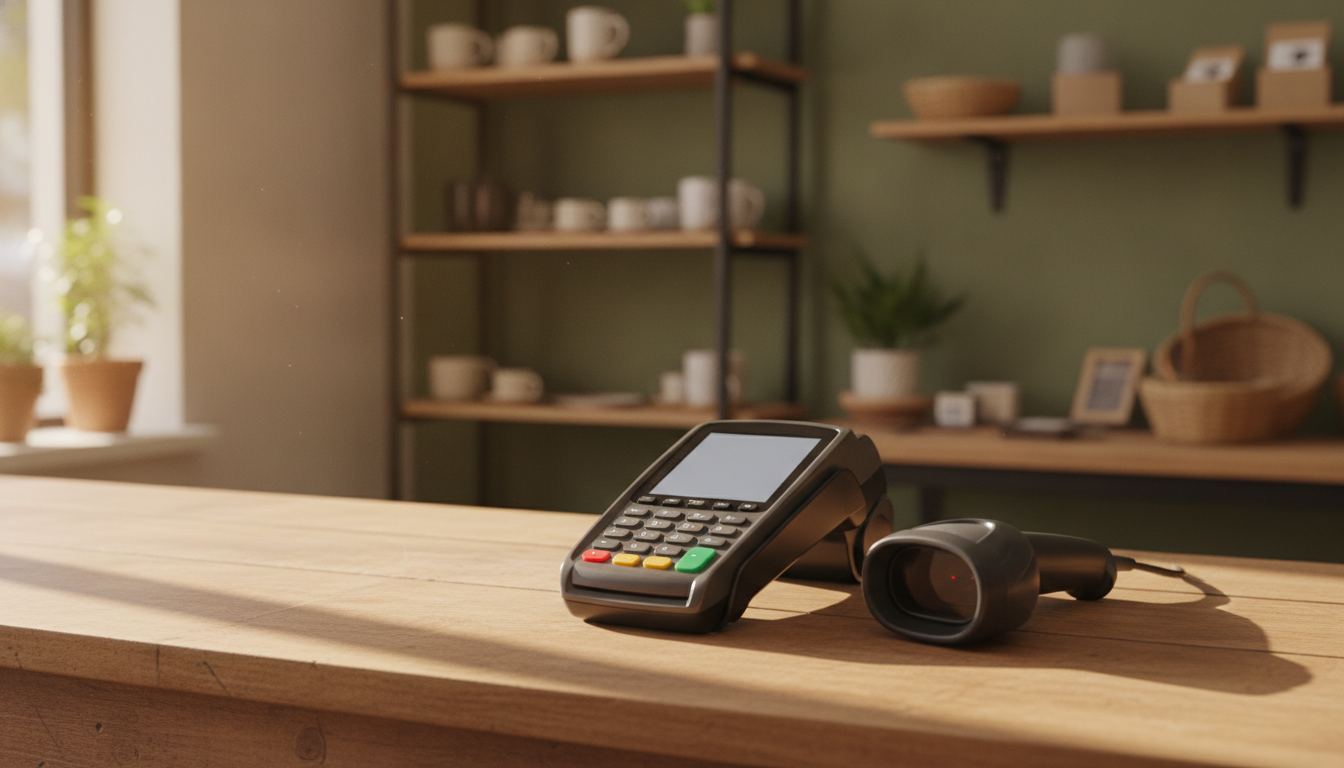
A Clover Flex price quoted online is one line of at least four, and the way you acquire the device changes all of them. How to build a quote you can compare.
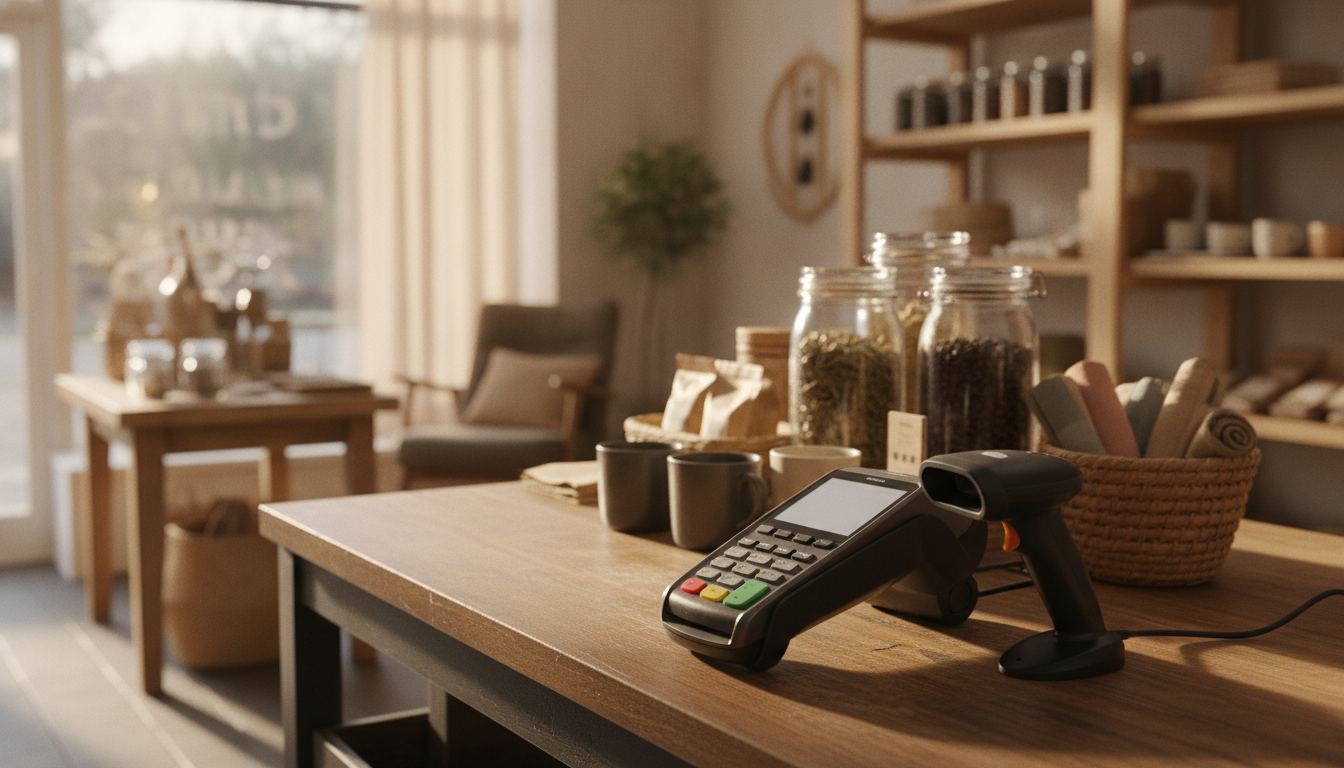
Somebody paid for that terminal. The only question is which line of your bill carries it, how long you are tied in, and whether the deal still suits your volume.

Dual pricing means two posted prices on every item, one for cash and one for cards. How it works at the counter, what your register needs, and who it suits.

The phrase gets used three different ways. Here is the one your processing rep means, how it differs from a surcharge, and how to check what you signed.

The entry plan is priced per device and most retail stores do not stay on it. What pushes a store up a tier, and how to confirm your real monthly software line.

The free label does not settle your total cost. Compare payment processing, hardware, add-ons and store-specific tools before choosing a retail POS.

Square Plus does not have one universal monthly fee. Learn where to verify the current price and which processing, hardware and add-on costs to compare.
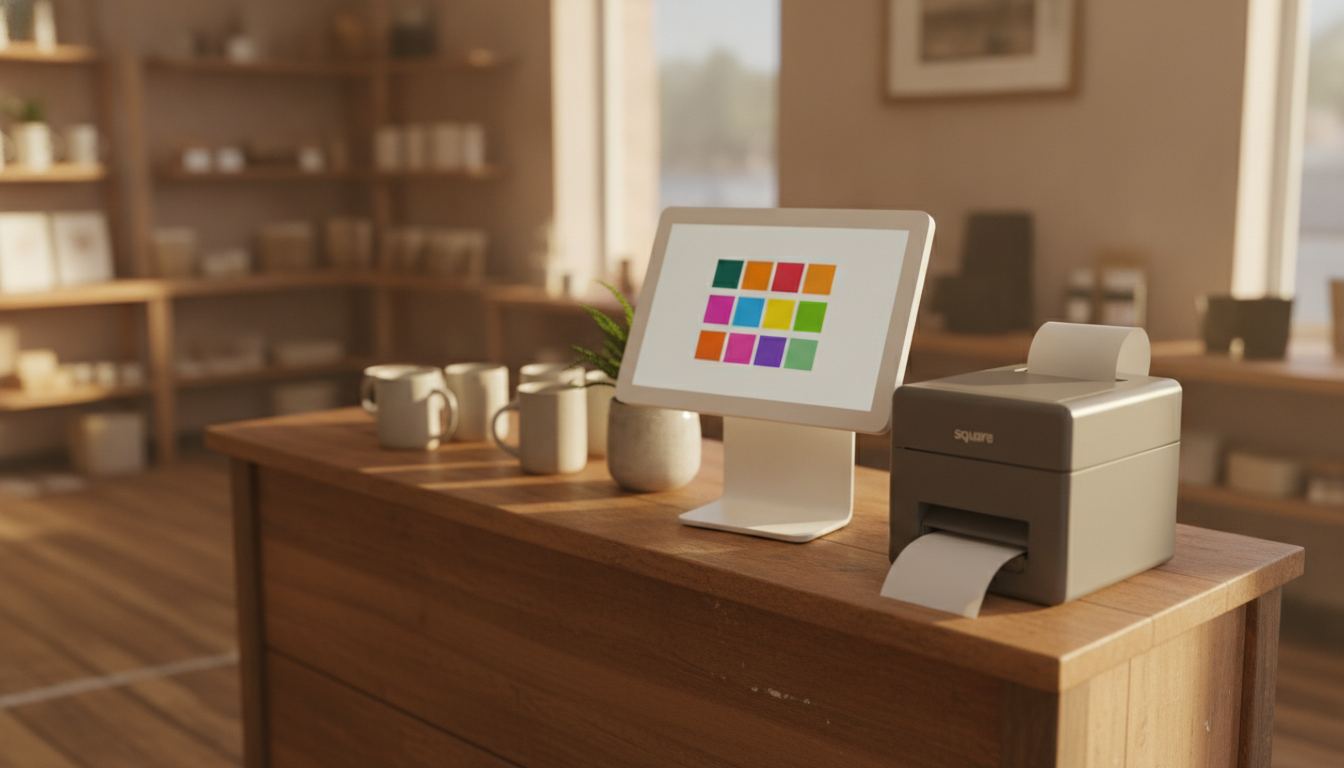
Build a liquor-store Square POS budget from software, hardware, add-ons and card processing, then test inventory and age-check workflows before choosing.
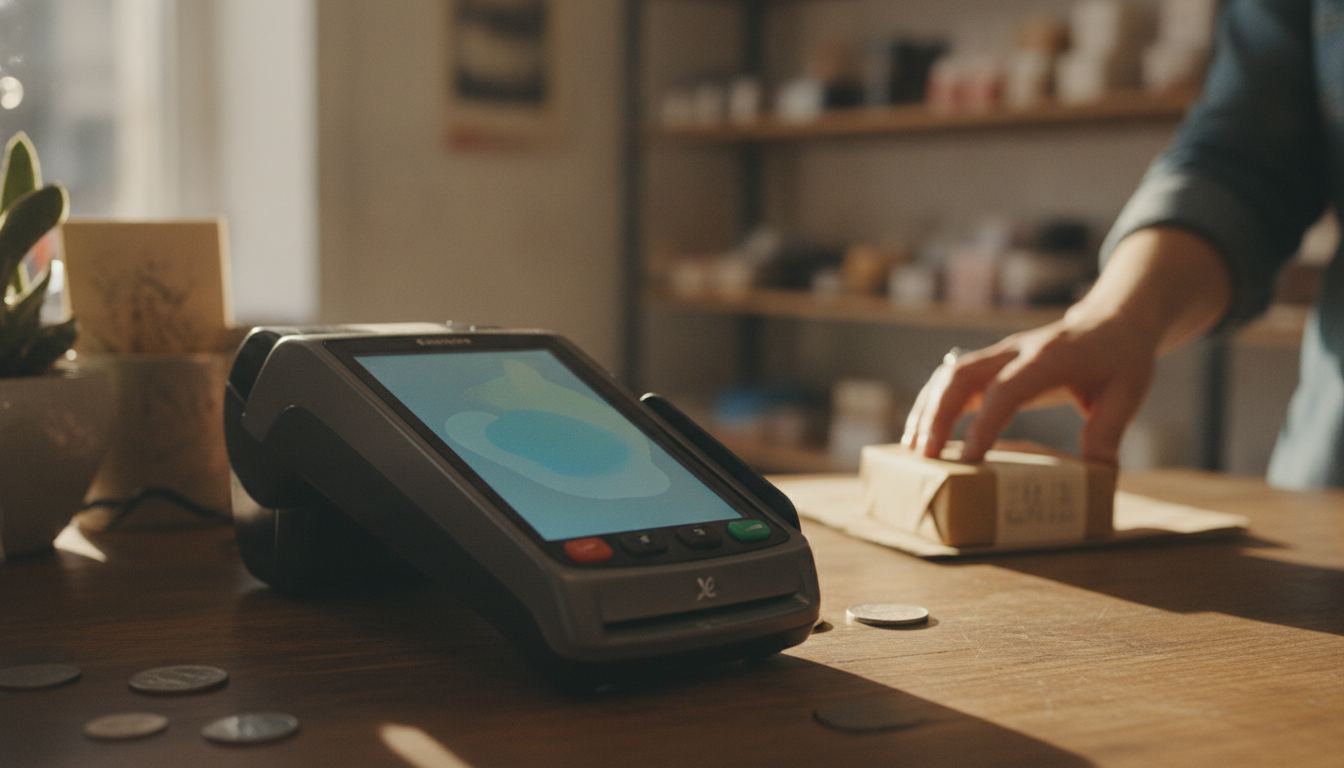
Clover POS monthly cost is software, apps and hardware rent. Per-transaction processing is a separate reseller schedule. How to add both without mixing them.
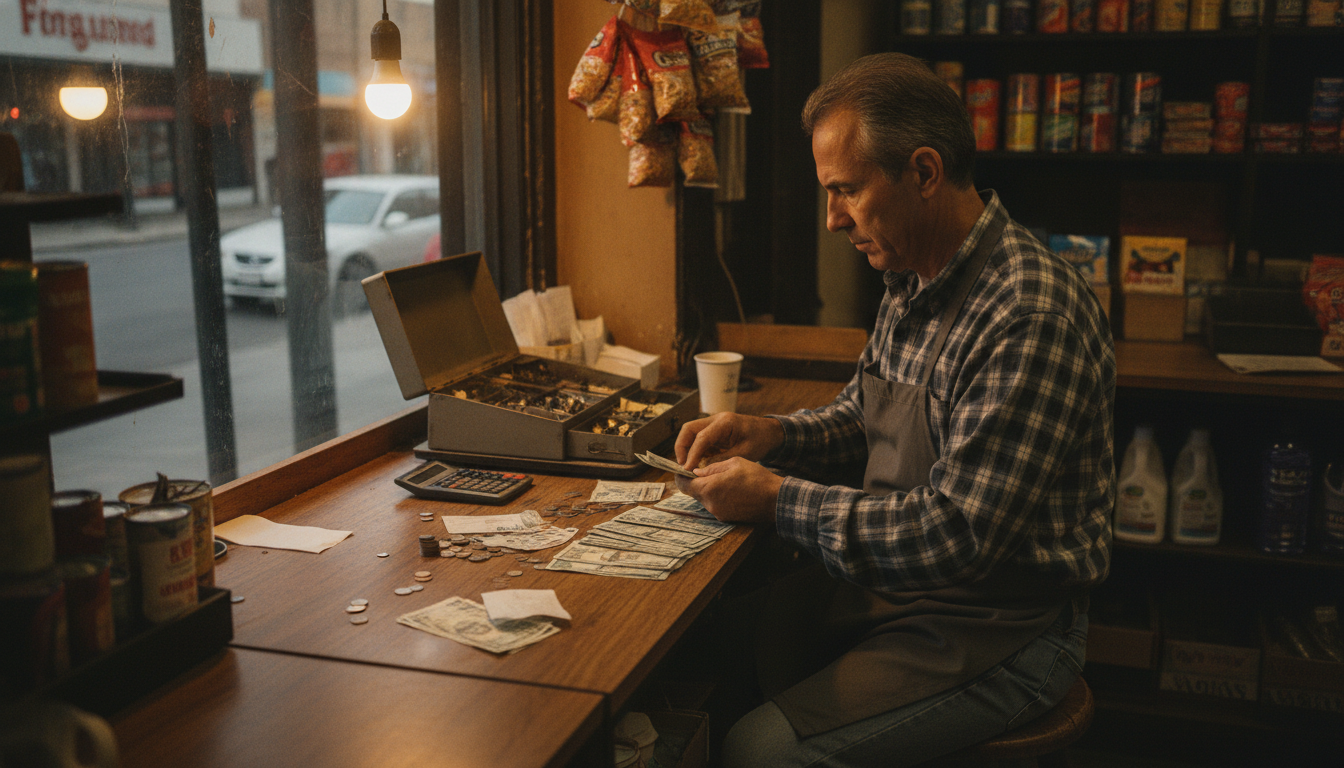
You keep more of every sale and spend some goodwill at the counter to do it. Which stores that trade suits, which it does not, and a middle path if unsure.
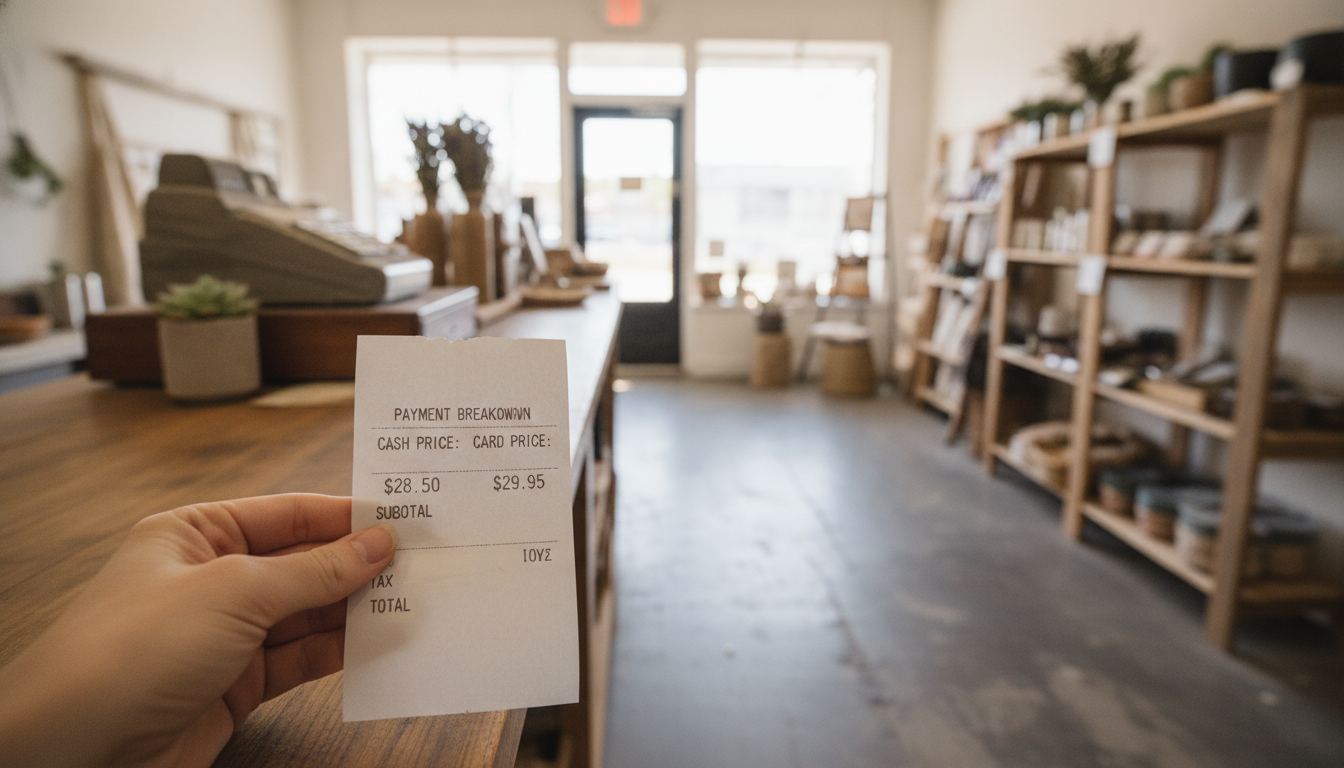
Dual pricing on a receipt means the total reflects the payment method chosen. See what customers should see and what store owners need to check.

Yes, a Clover monthly fee usually exists on software, apps or hardware rent. Per-transaction processing is a different bill. How to check your paperwork.

Counting services quote per SKU, per hour or per location, and the model changes what a cheap bid means. How to scope the job and compare two bids fairly.

Free gas station software is real, but the cost moves rather than disappears. Where it goes, what free covers well, and a two week test before you commit.
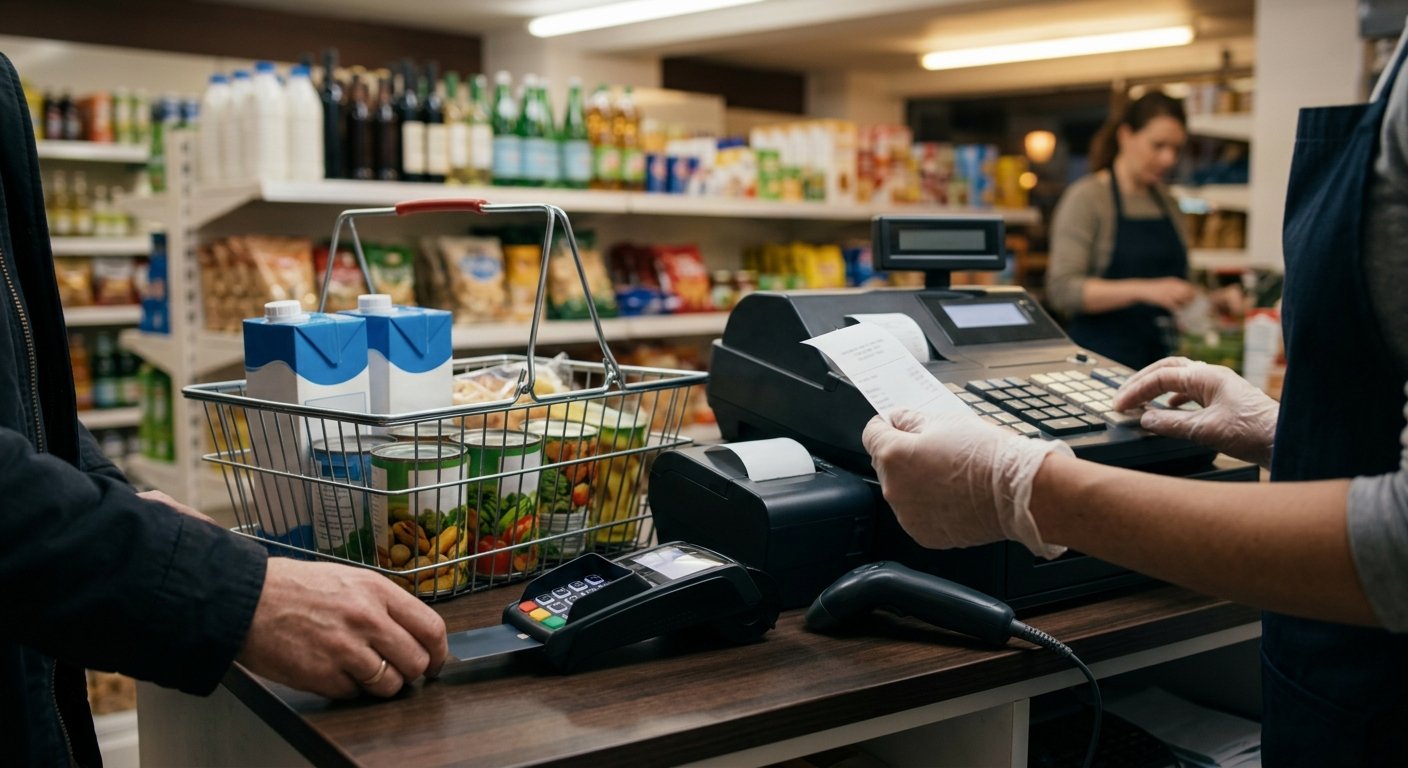
An EBT machine for business is usually the same PIN pad on your grocery register, not a second box. We set SNAP flags and split tender at checkout.
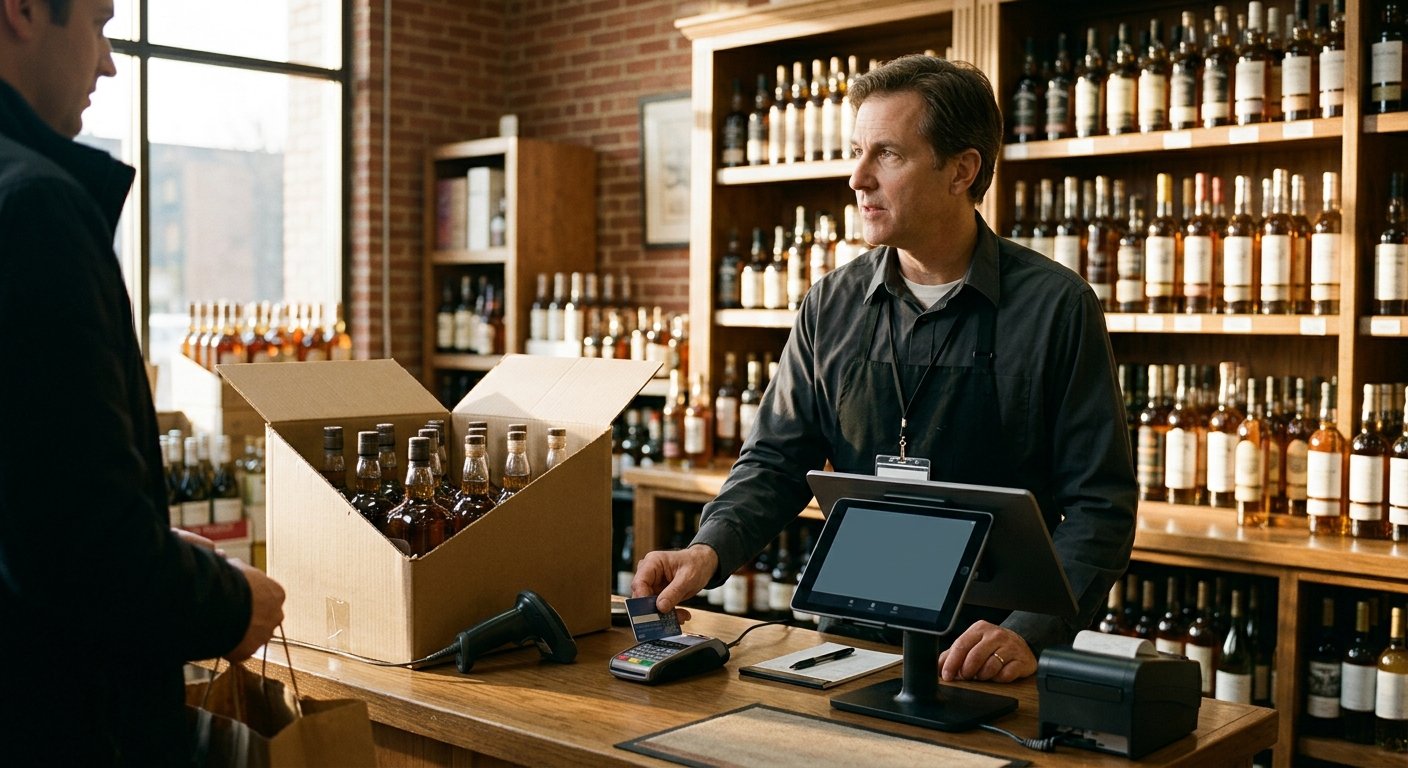
When a liquor store outgrows Clover, case breaks, age prompts, and bottle deposits are daily work a general retail app cannot finish at the counter.
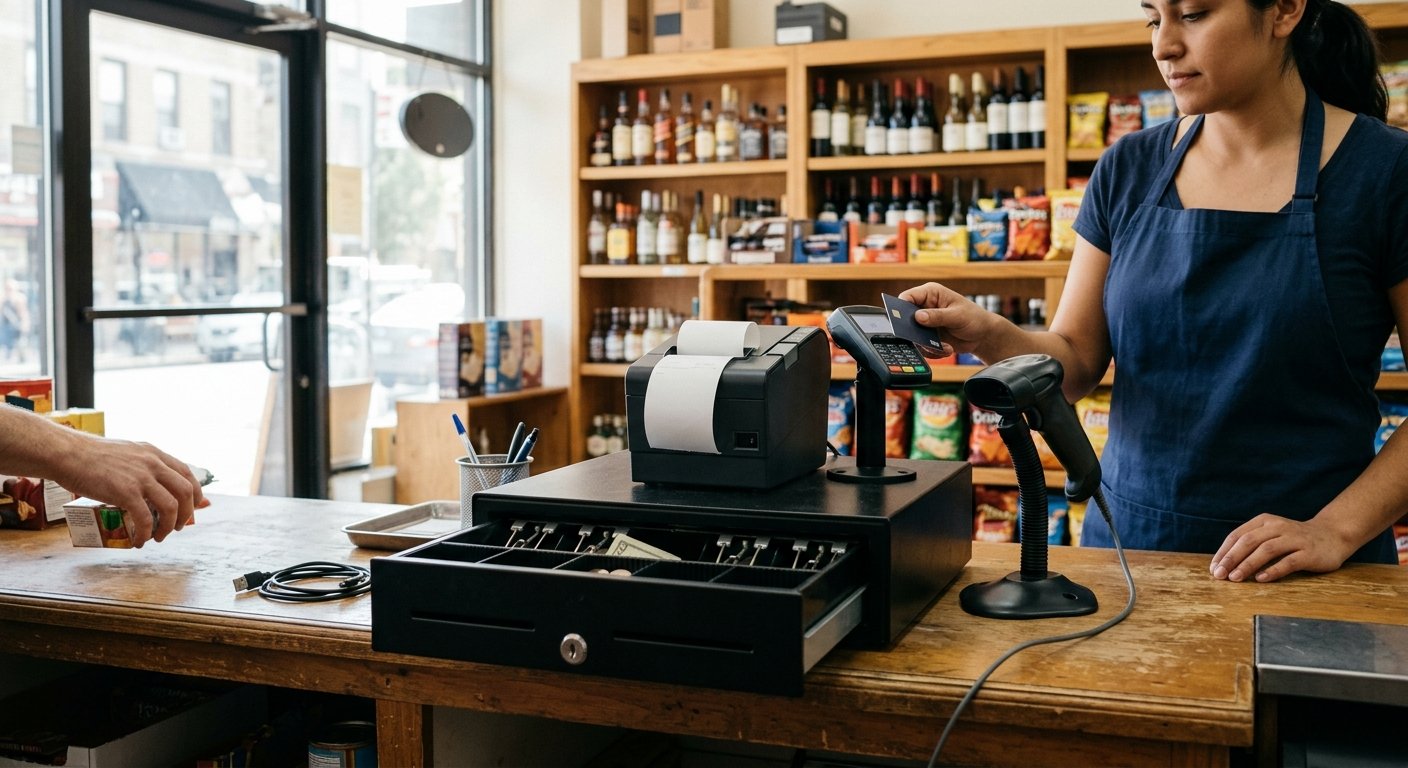
A connected cash drawer opens on a cash tender from the register, not a random button. Learn printer kick versus USB, card sales, and the tests before rush.
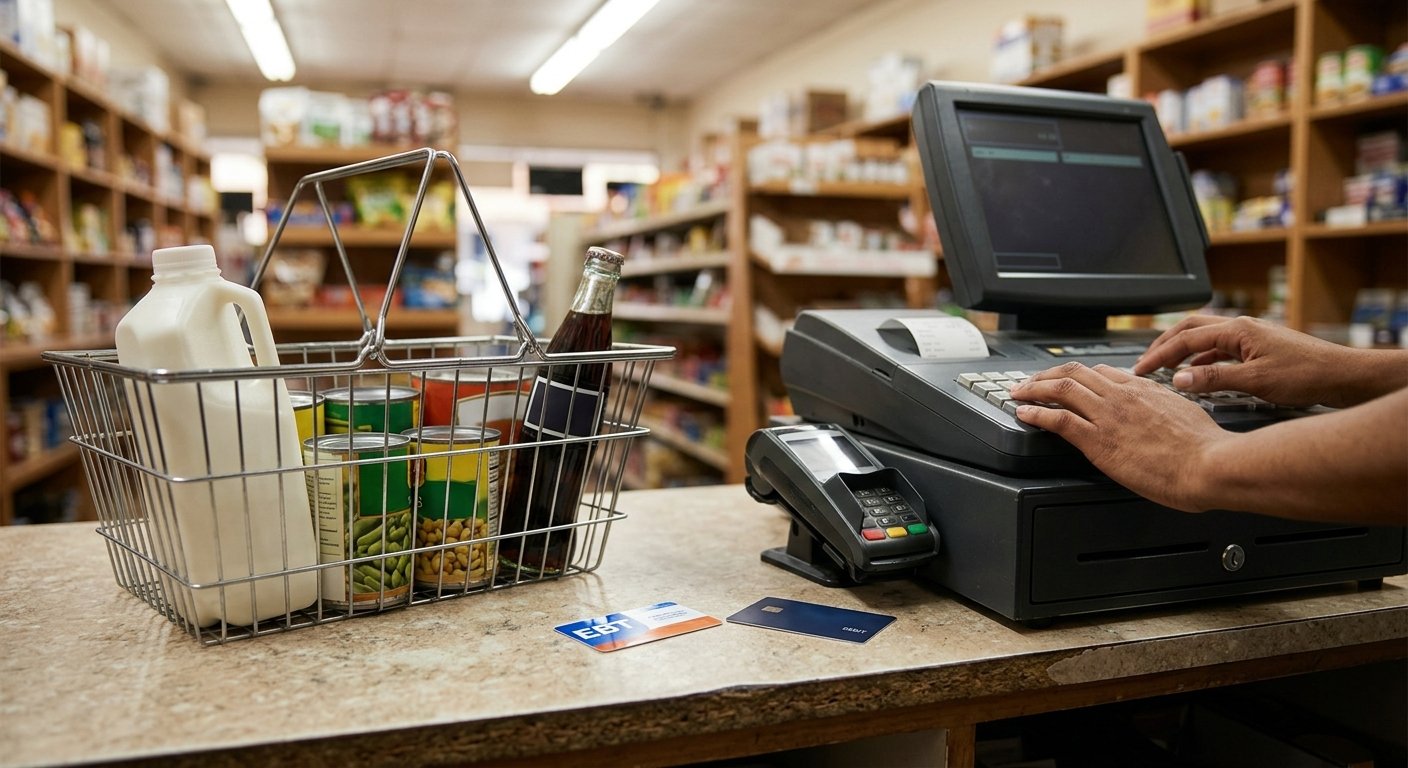
An EBT POS system flags SNAP-eligible items at the register, takes the benefit, then splits the rest of the ticket. Here's what has to work at checkout.
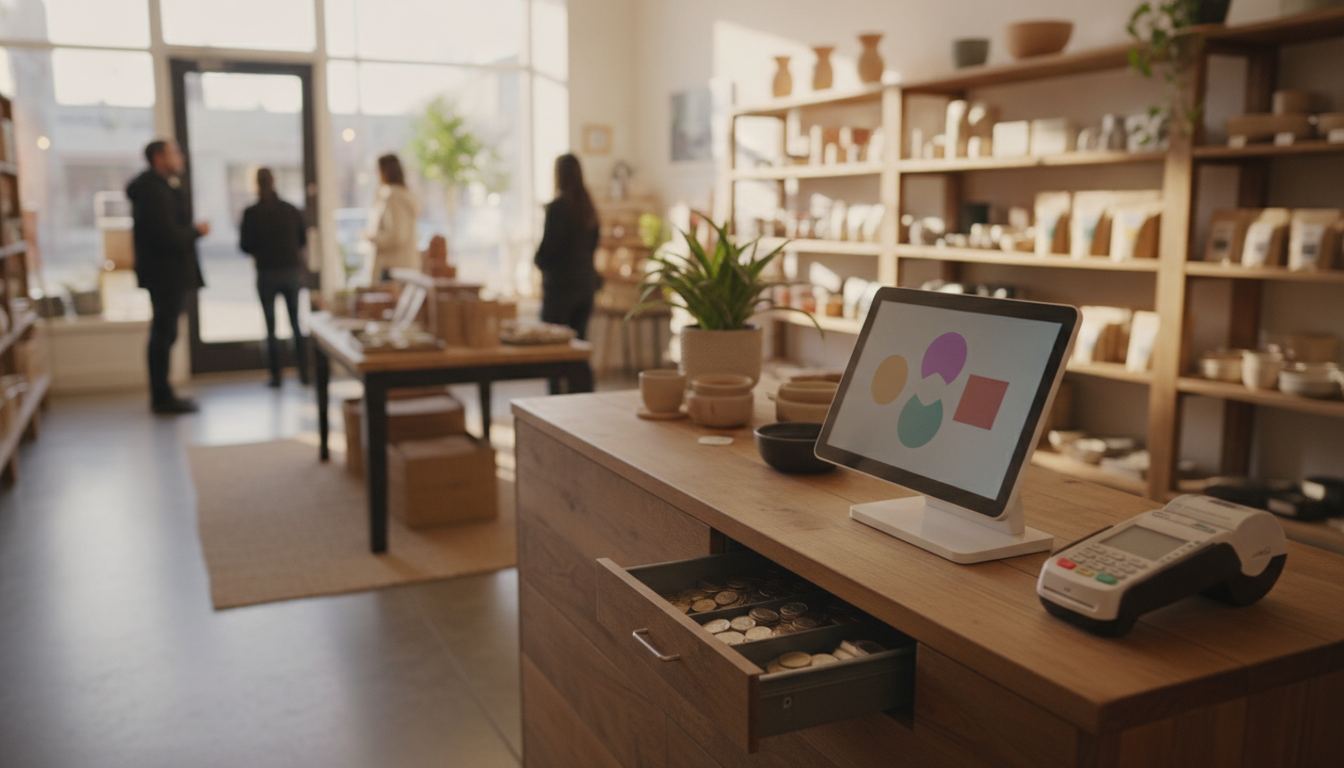
A cash register POS system is a till that also holds items, cards, and reports. When a standalone drawer is enough, when it is not, and what to force in a demo.
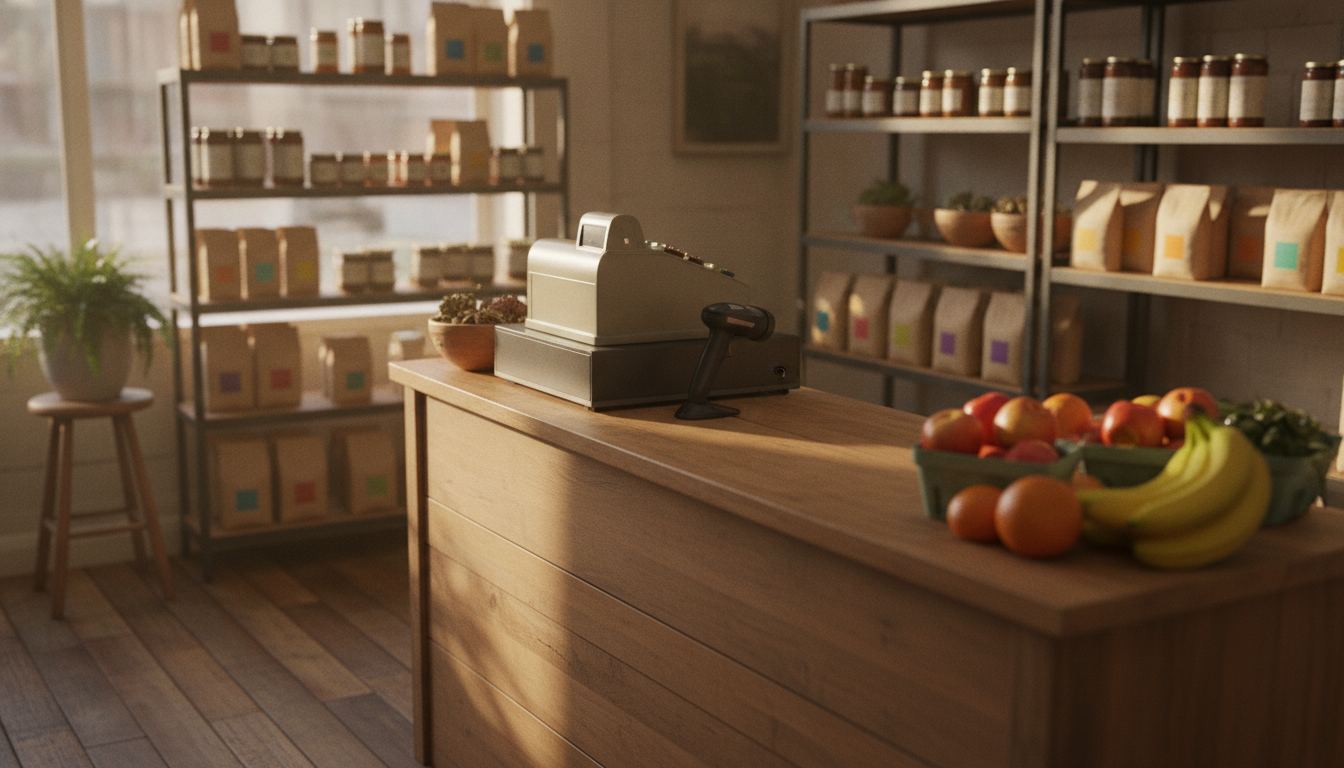
A bodega POS rings SNAP milk, an age-prompt beer, and a lottery question on one rush. What we configure before the hardware ships, without a cafe system.
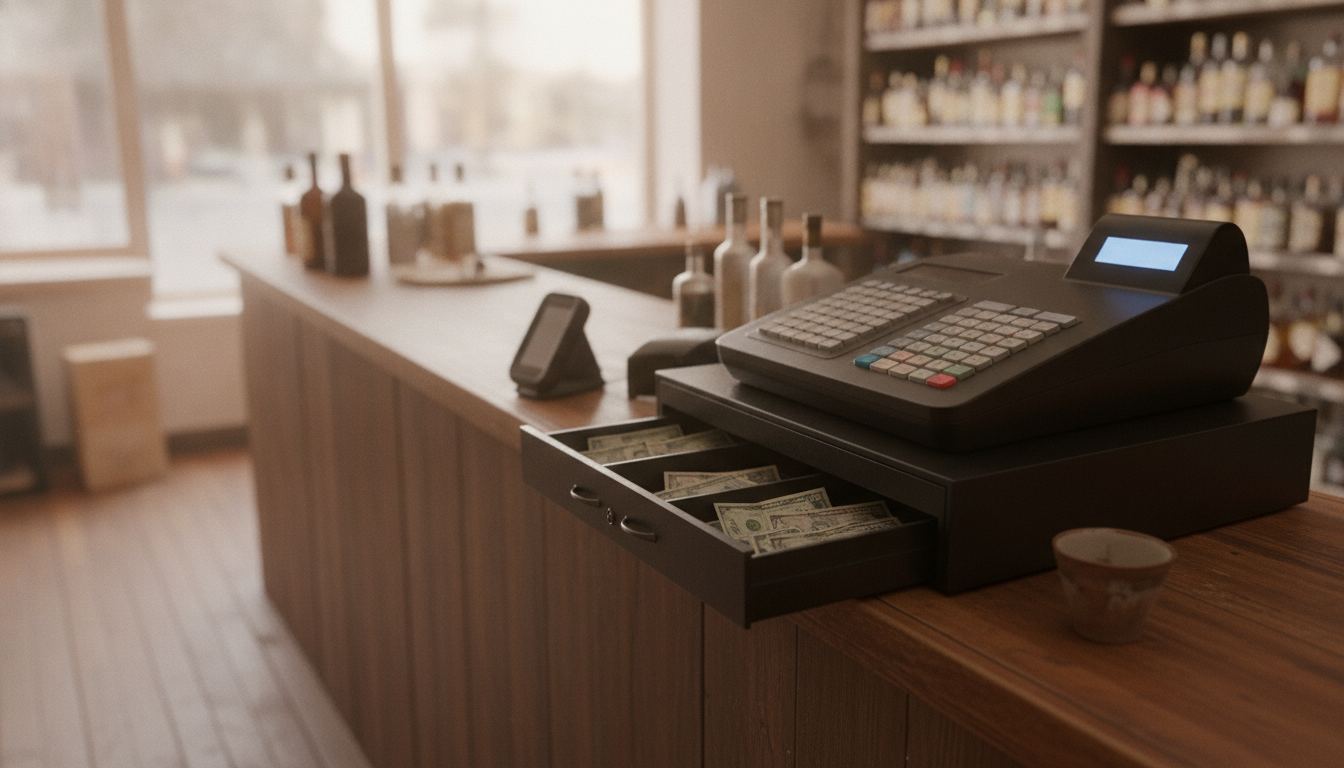
Best cash register for a liquor store: ID prompt, drawer kick, case break, and cards without a phone on a stand. How to judge the counter, not a ranked list.
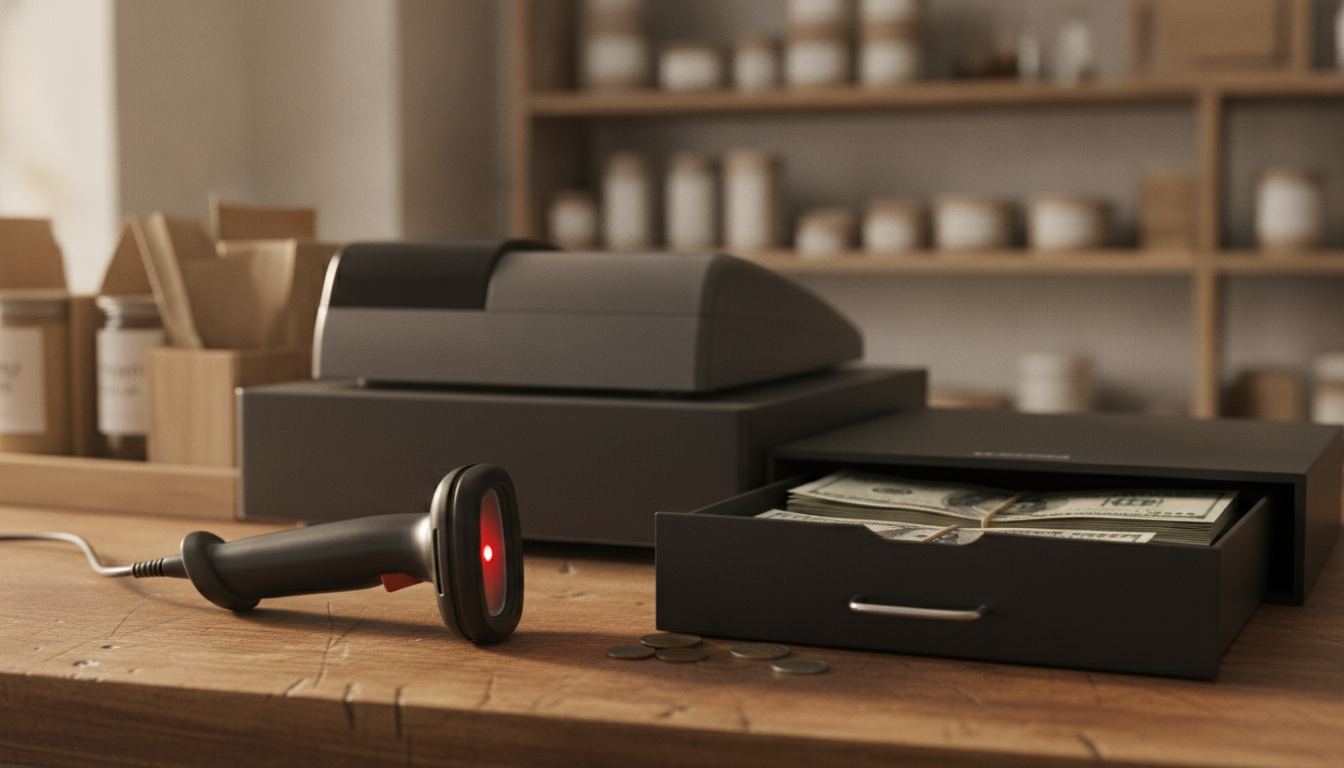
A POS with a barcode scanner is a counter, not a wand. 1D versus 2D, ID scanning, wireless range, and who replaces a dead unit.

Yes. Fiserv's Form 10-K filed 2026-02-19 describes Clover as its cloud POS platform. Why that matters at quote time: the acquirer on your agreement is usually a bank or ISO, not a Clover storefront.
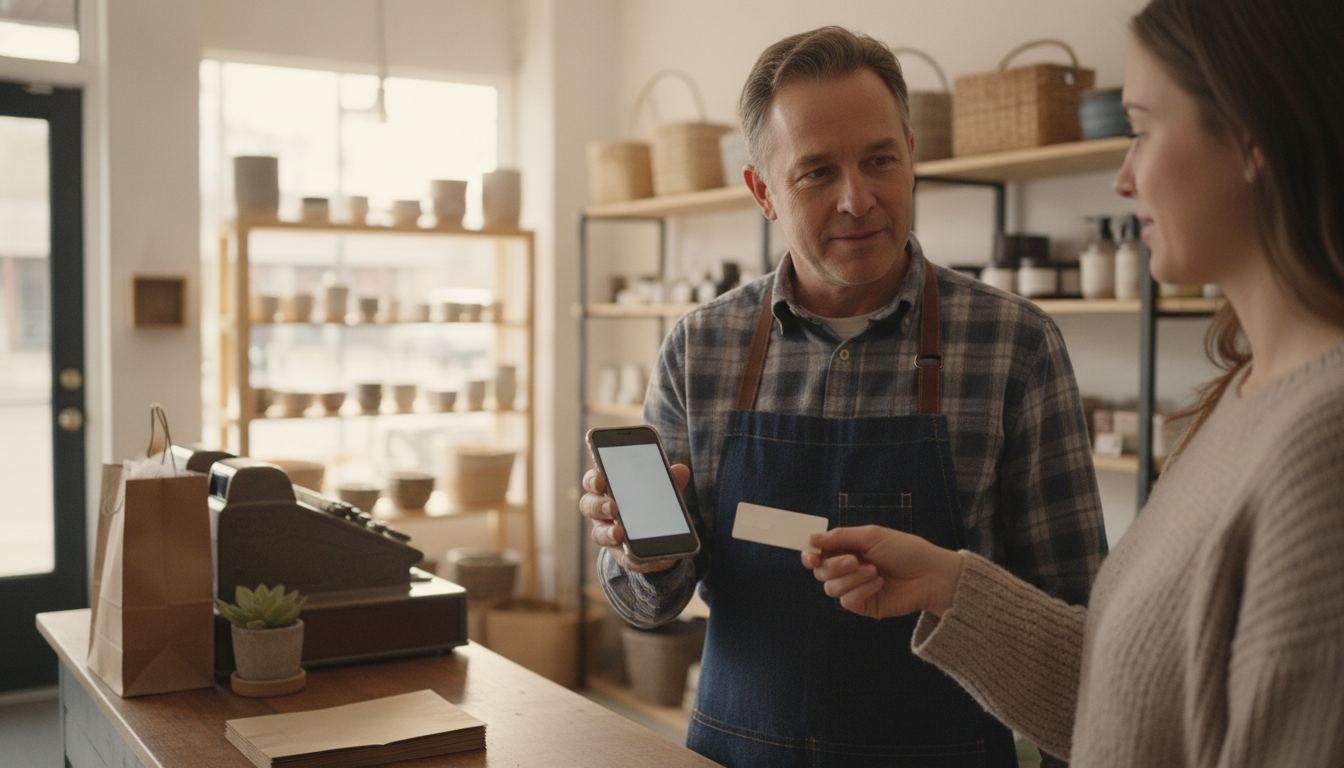
Yes for contactless card-present sales, if your processor's app supports Tap to Pay. Apple's iPhone rules, what a phone cannot replace at a c-store counter, and Counter Club's included Tap to Pay.

The liquor POS market splits into three kinds of system. What each kind is good at, what it costs you, and which one fits a single independent store.

There is no single best POS system for a liquor store. Here are the seven requirements that separate a system built for bottles from a general retail register.

POS means point of sale, the counter system that handles checkout, payments, inventory, receipts, and other everyday retail tasks together.

Square can suit a simple counter, but stores with complex inventory, age checks, tobacco, lottery or fuel workflows should compare deeper POS options.
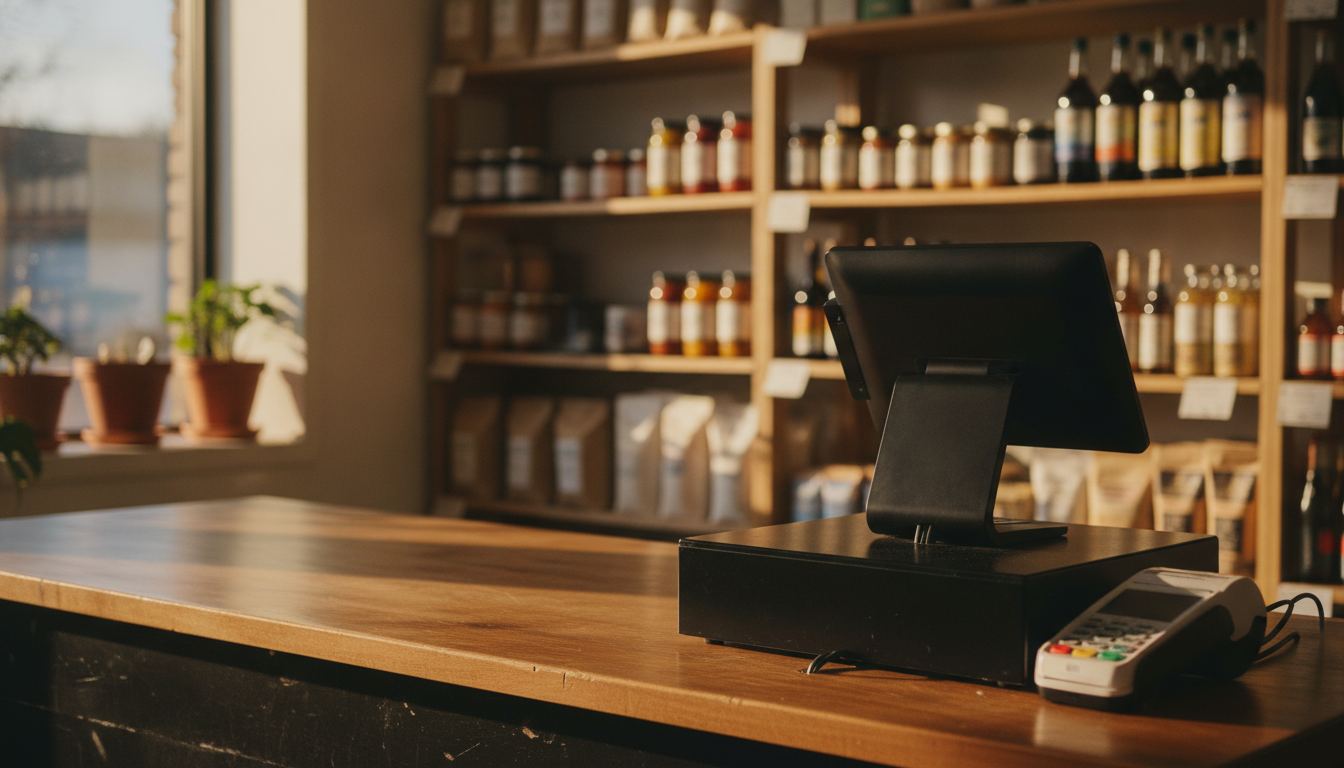
A handheld reader is worth it for four specific jobs and a waste for the rest. Where mobile card payments help a counter business, and what they cost you.

Square can suit a small shop, but high-SKU retailers should compare inventory, age checks, hardware, support and total processing terms before choosing.

See which Square hardware choices fit a busy retail counter, where the setup can fall short, and what to compare before replacing your current register.
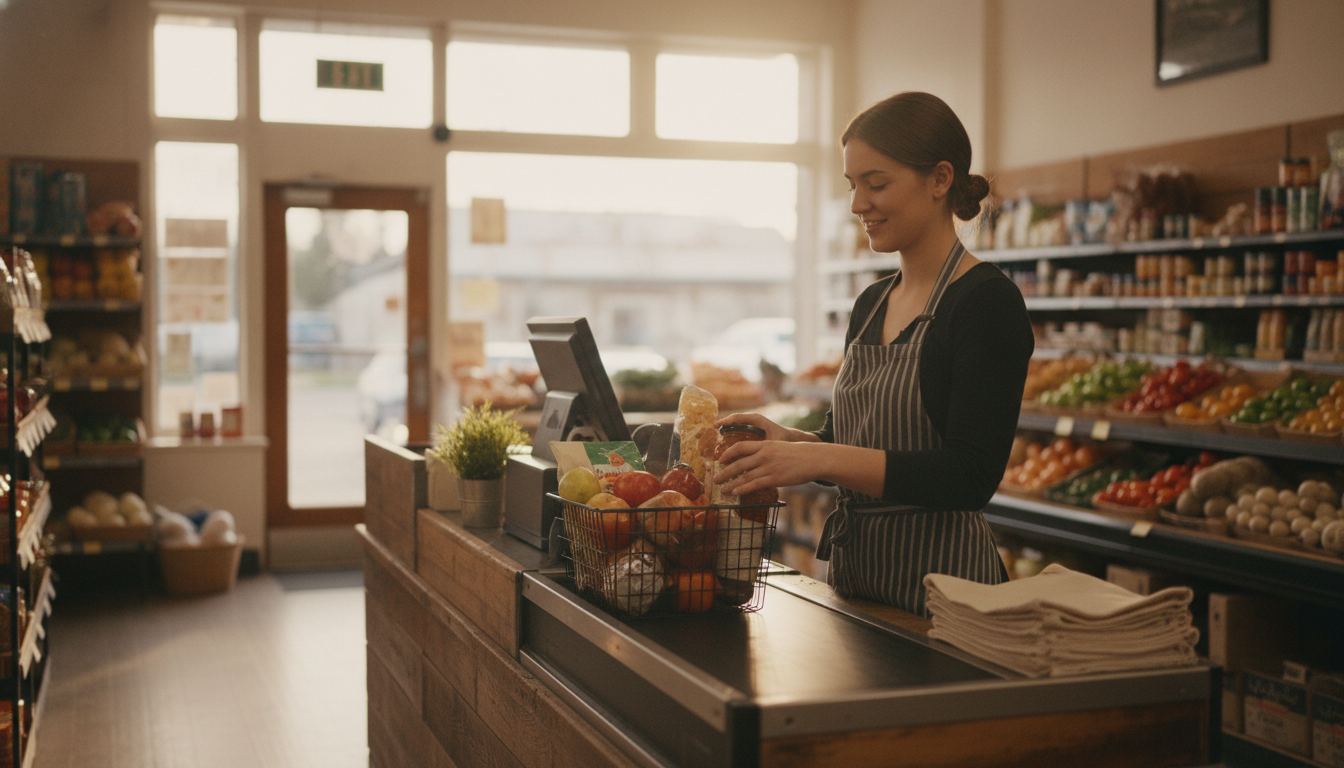
Choose a grocery checkout setup that keeps lines moving, tracks inventory, supports age checks and EBT SNAP, and makes switching easier without losing control.
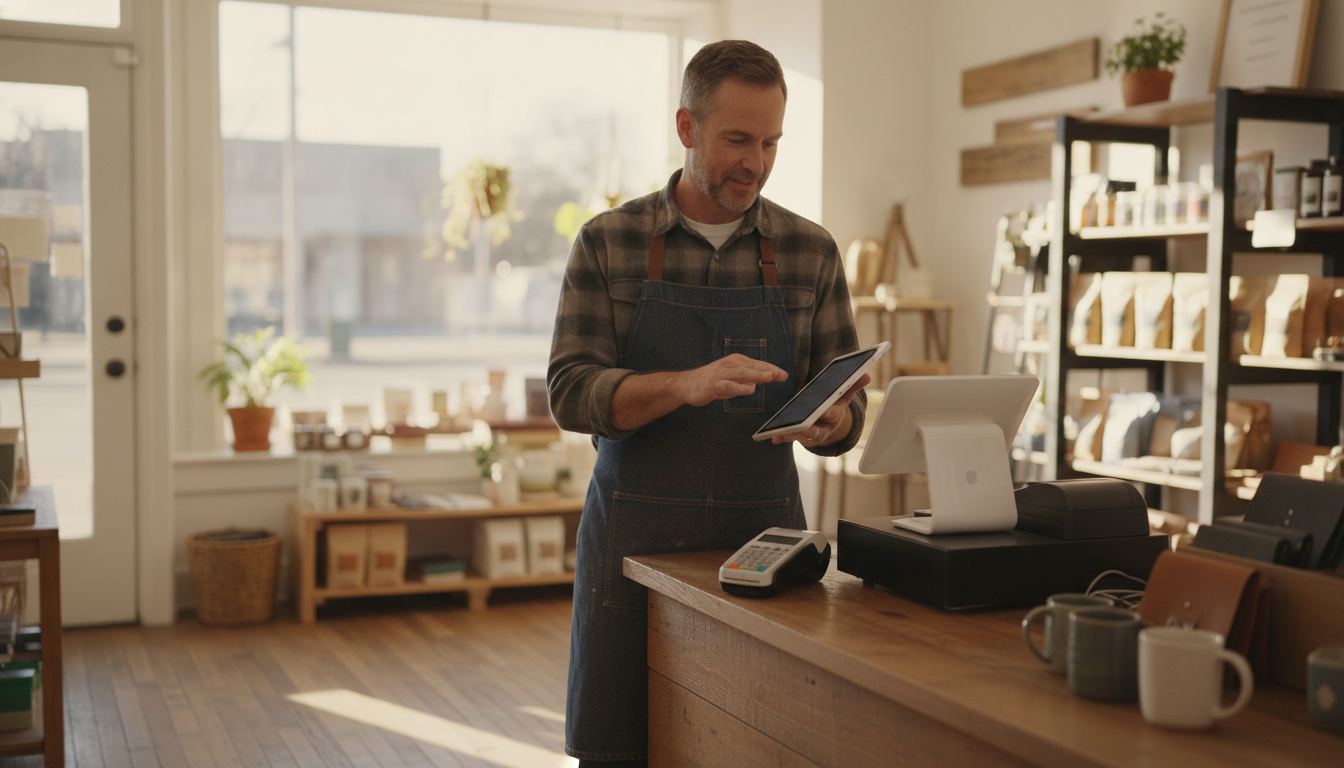
Choose a practical retail POS by checking checkout speed, inventory controls, age checks, payment terms, support, and the real work of switching.
Verifone POS may fit stores focused on payment acceptance, but liquor retailers should test inventory, age checks, fees, support and data access first.
Square can be a sensible choice for a simple shop, but stores with age checks, deep inventory, or complex checkout needs may outgrow it quickly.
A sourced guide to Clover hardware, apps, reseller pricing and the live inventory and support tests a high-SKU retailer should run before buying.
A practical register app should speed checkout, track inventory, support age checks and make fees clear before a store owner commits to switching.
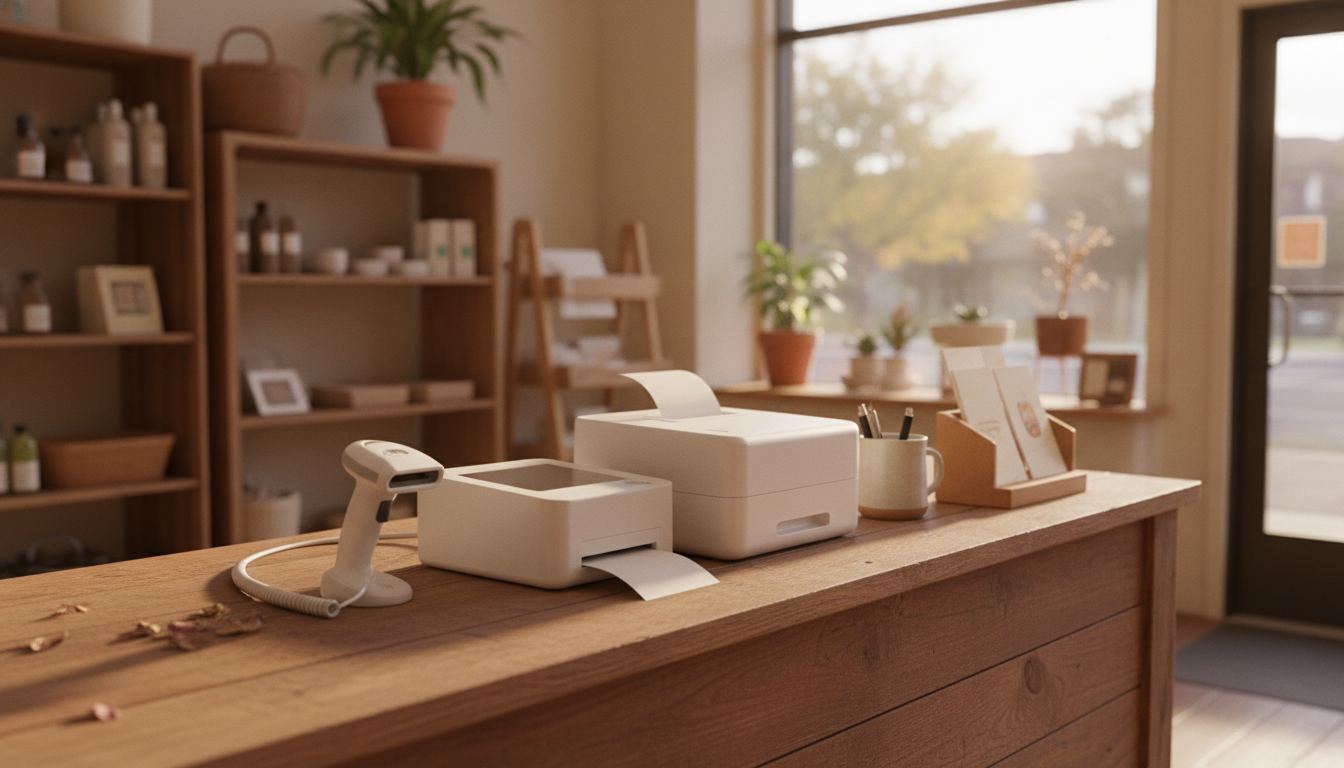
The Clover POS hardware decision is really three questions: what peripherals attach, who owns the box, and what happens to it if you change processors later.
What Bottle POS publishes about its liquor-store system, what comparisons cannot prove, and the live tests to run before you buy.
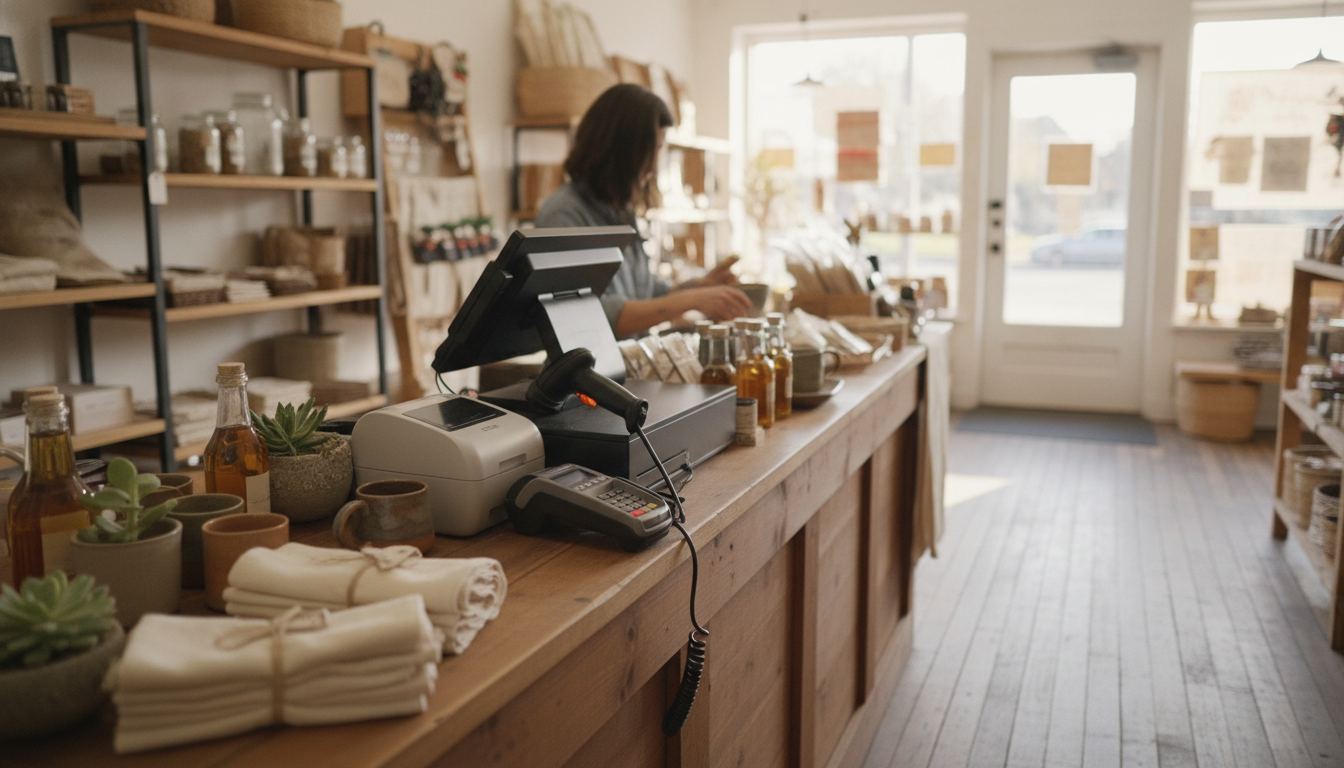
See how to assess a POS Nation equipment quote, match it to daily store needs, uncover contract costs, and decide whether switching makes practical sense.
See where PDI fits in a convenience store, what to verify for age checks, inventory and payments, and when keeping your current setup makes more sense.
Yes for most small stores, and no for one particular kind. The dividing line is whether you sell stock in the same unit you bought it in. Here is how to place yourself.
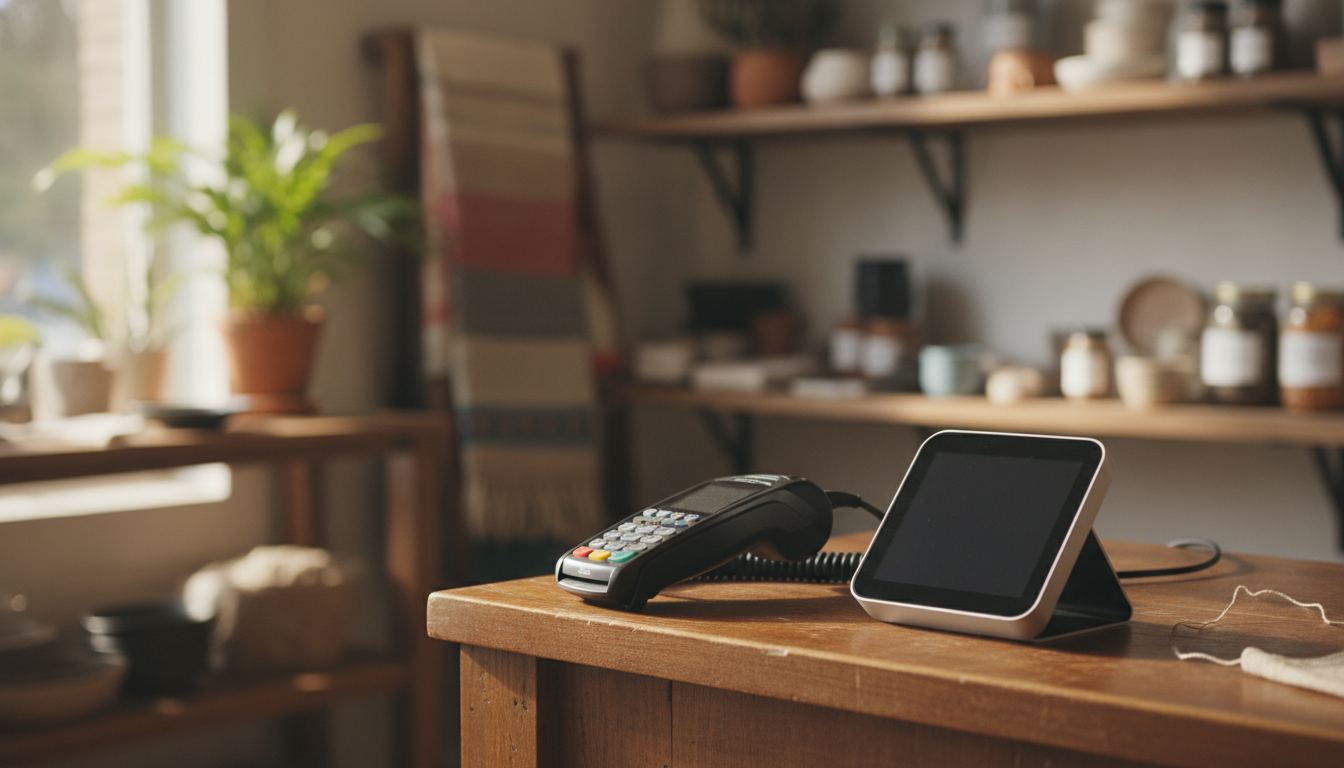
The device list is short. The real decision is which combination fits your counter, and that answer is different for a bodega, a gas station and a bottle shop.

A practical guide to Bottle POS for liquor retail: checkout, age checks, inventory, reporting, support, contracts and switching.
Choose a store register by checking checkout flow, inventory control, scanner compatibility, age checks, fees, support, and the work required to switch.
A practical guide to reading POS Nation feedback, testing fit for a busy retail counter, comparing total cost, and deciding whether to switch systems.
Choose a gas station POS by checking fuel workflow, inventory control, age checks, processing terms, hardware fit, and switching support before signing.
The main POS types are traditional on-premises, cloud-based and mobile. See how each works and what a small retailer should compare before switching.

The main POS system types are legacy, cloud-based, mobile and self-service. See how each works and which setup fits an independent retail counter.

Learn how to judge the NRS rewards setup for enrollment, checkout speed, customer privacy, inventory fit, migration risk, and the true cost of changing POS.

A free POS can suit a simple counter, but inventory, age checks, hardware, data access and support decide whether it is truly right for your store.
Square is easy to start with, but specialty retailers may outgrow its inventory, age-check, reporting and workflow fit. See what to assess first.
Legacy terminals, cloud tablets, hybrid systems, handhelds and kiosks. What separates them, what each one is good at, and how to tell which suits your counter.
Inventory on Clover is a category of apps, not one product. Six tests to run in a demo before you commit, and the store sizes where it genuinely works well.
The drawer connects through the receipt printer, not the tablet. What that means for setup, and the cash controls a busy counter needs beyond an open drawer.
Delivery, rush, the ID prompt, the mixed pack, the close and the reorder. Where liquor store software earns its keep, hour by hour, and where it quietly fails.
Vendors use lottery management system to mean three unrelated things. How to tell them apart, what each one fixes, and when you need none of them.
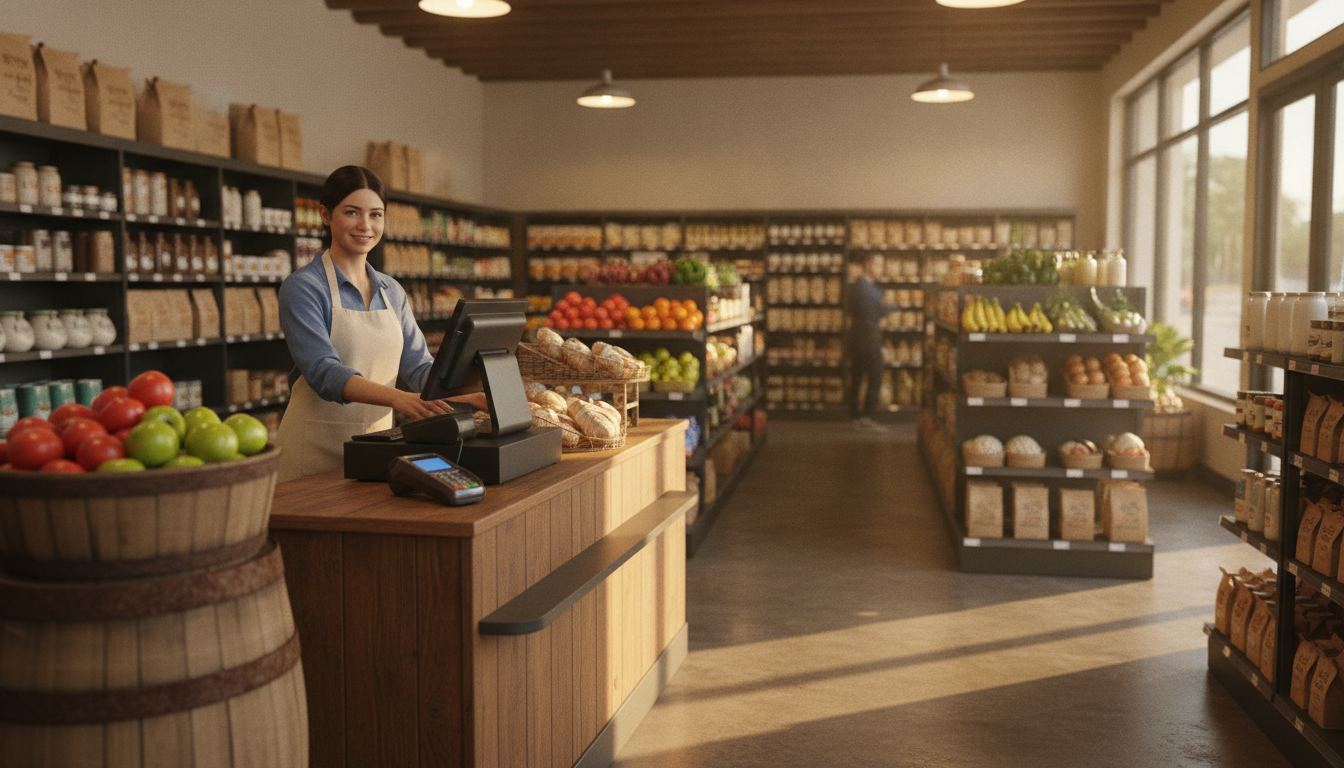
Scales, perishables and a deep catalogue decide which grocery POS works. Here is what to test, where a general retail system is fine, and what to ask.
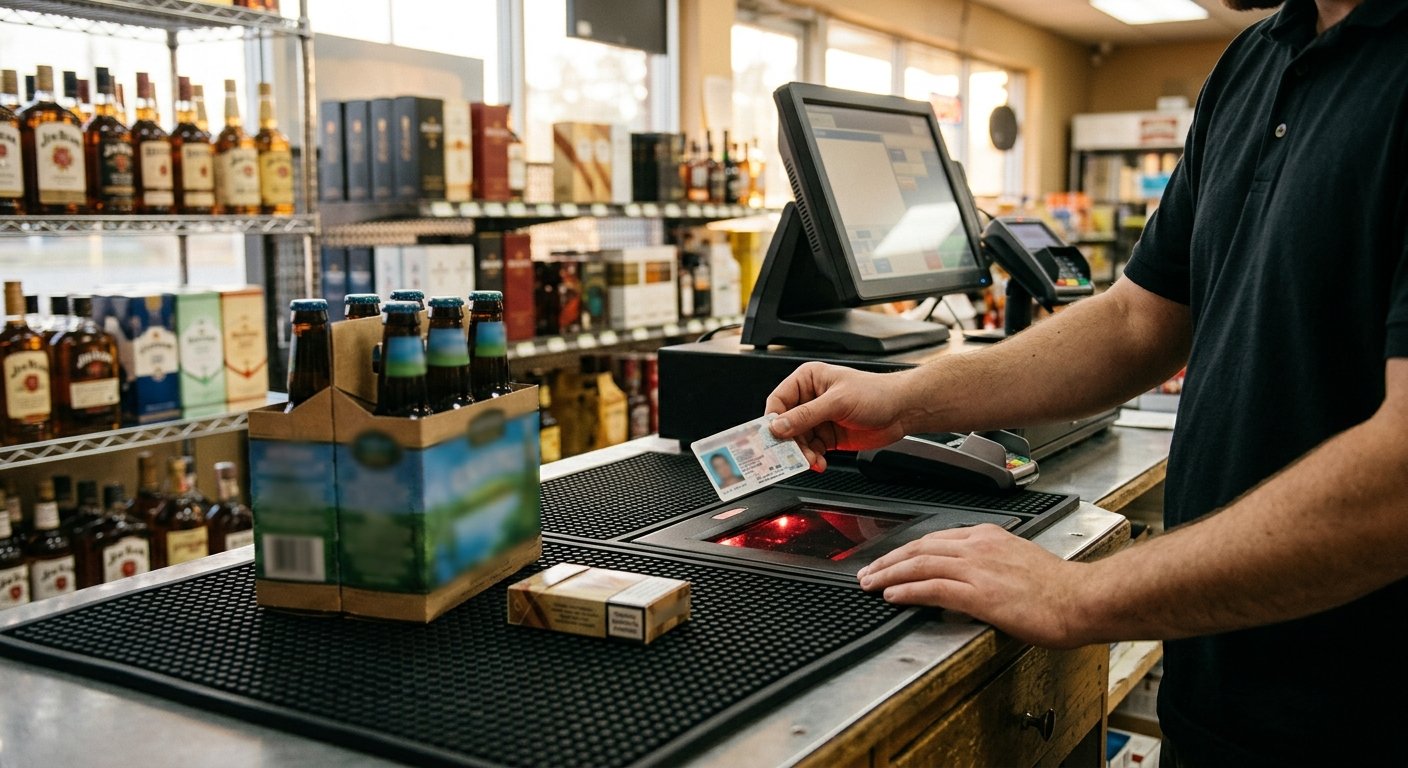
Age verification at the register is a prompt on flagged items, and the cashier still reads the ID. Walk through flag, prompt, scan, and the eye check.
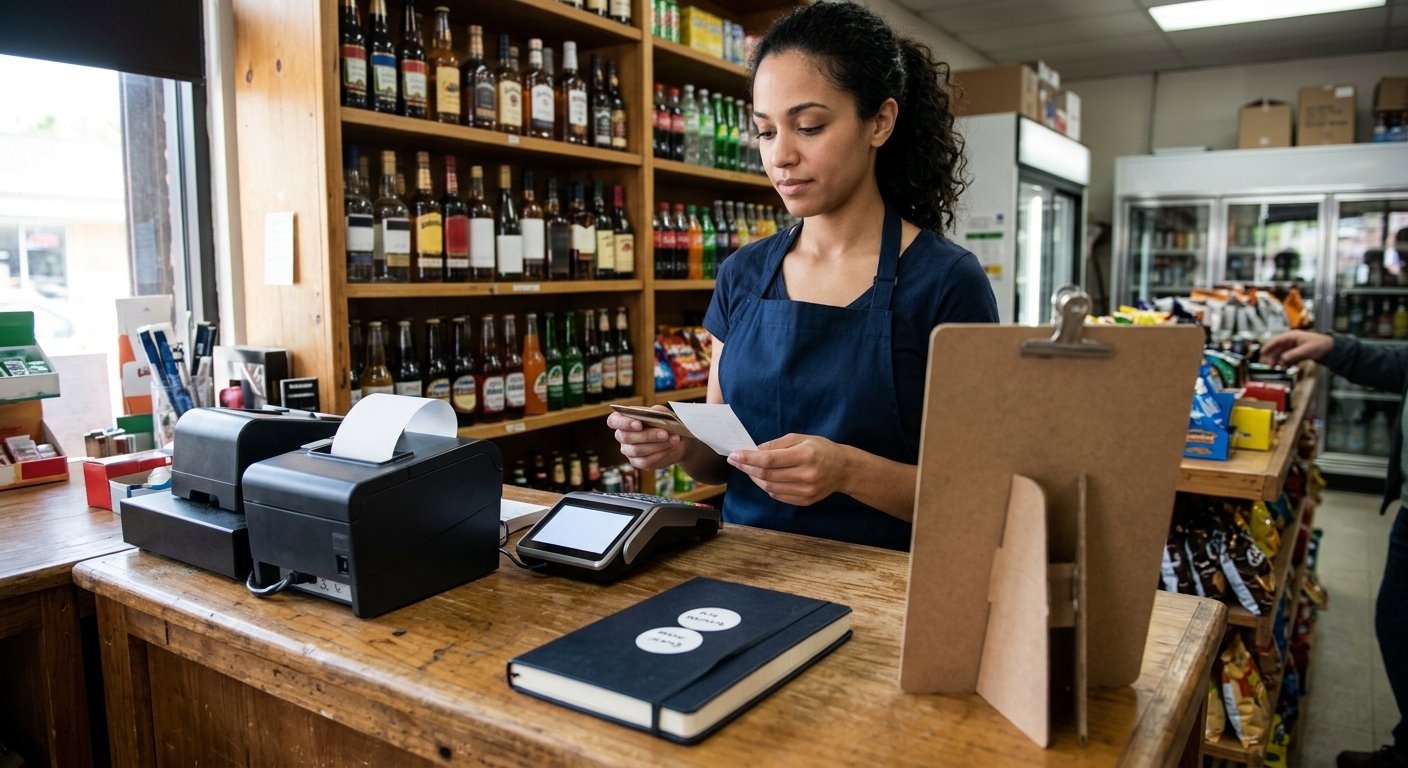
Dual pricing vs cash discount is two programs, not two names. See how shelf tags, receipts, and cashier scripts differ before you pick one for the counter.
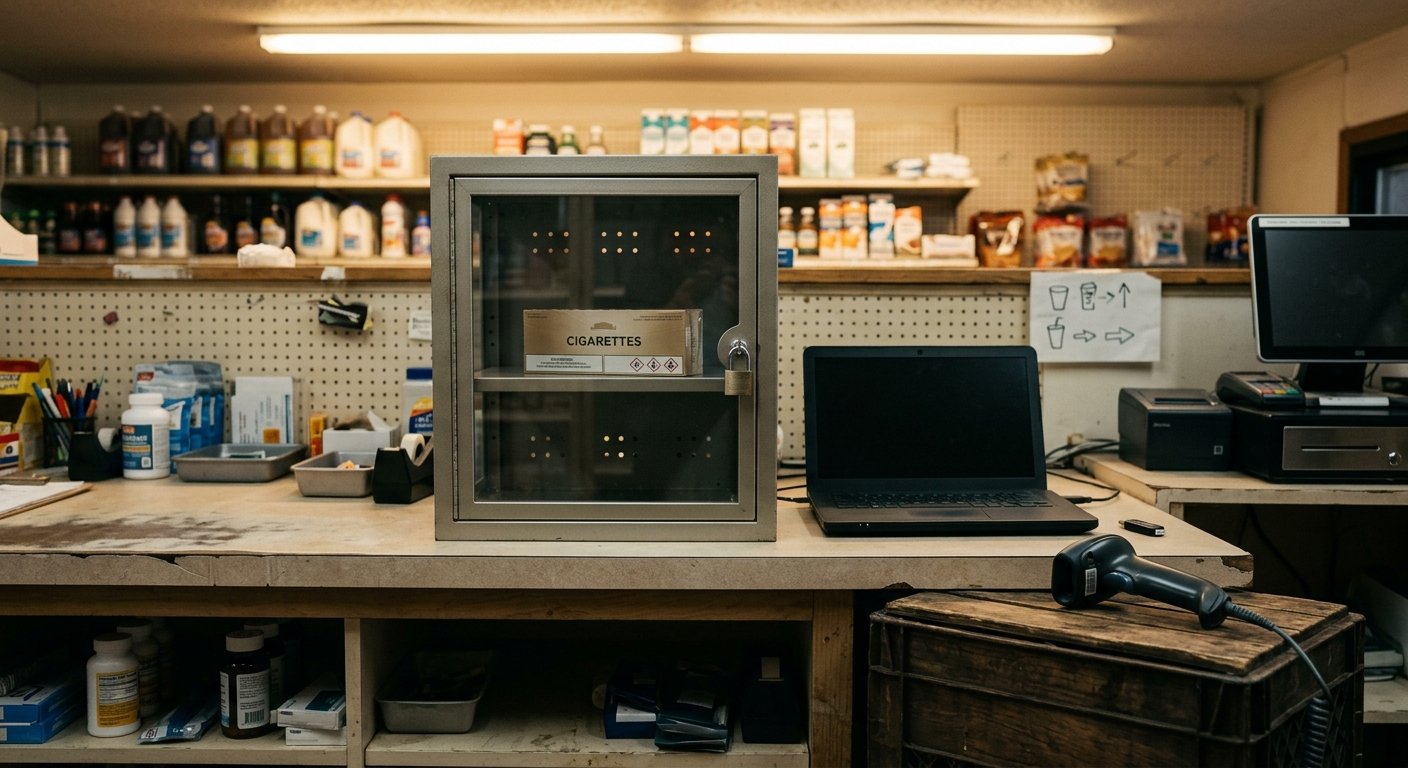
A tobacco scan data file is a scheduled export of tobacco scans. See which fields programs want, why a register may fail the export, and what to test.
A SNAP junk food ban is a state waiver, not a federal soda rule. The register has to flag soda and candy by state. FNS gives existing stores a 90-day grace.

Split tender on EBT means SNAP pays eligible lines, then cash or a card pays the rest on the same ticket. The item file has to already know which line is which.

PCI compliance for small retail means card data stays in the terminal, not a notebook. What the questionnaire is, who sends the scan, and how to check status.
EBT at a gas station is SNAP for eligible food inside the c-store. Gasoline is not SNAP. How the inside register splits the basket, and why the pump cannot.
Charging the customer 3% is a surcharge question, not a processing-cost question. Visa's published U.S. rules, debit bans, and why your state still decides.
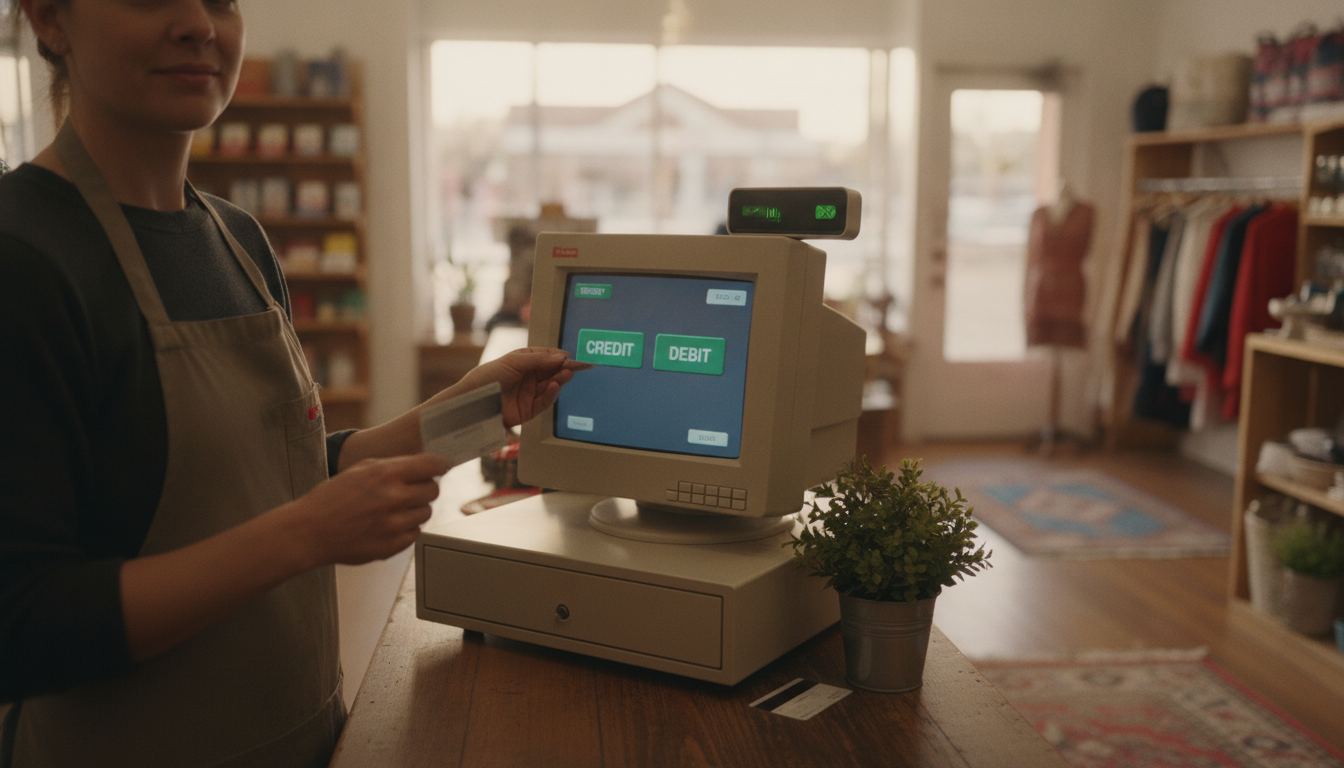
Visa's published U.S. rules do not allow a surcharge on debit or prepaid, even if the PIN pad says credit. How that differs from a credit surcharge.
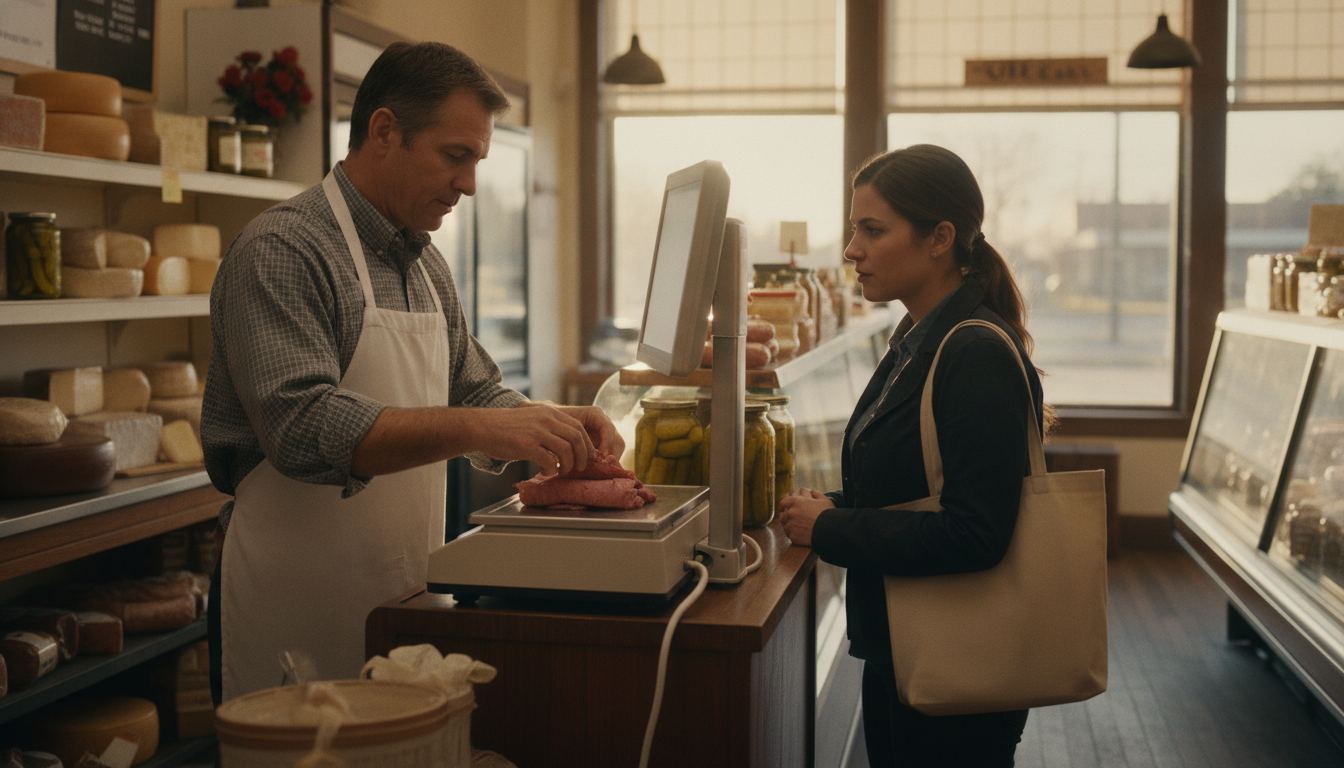
A grocery POS with a scale is legal-for-trade equipment, not a USB accessory. NTEP, state inspection, and the receipt fields Handbook 44 requires as of 2025.
Square's published U.S. tool is a credit-card surcharge in open beta, not two posted prices. Caps, debit exclusions, and Square's state blocks as of 2026-09-10.
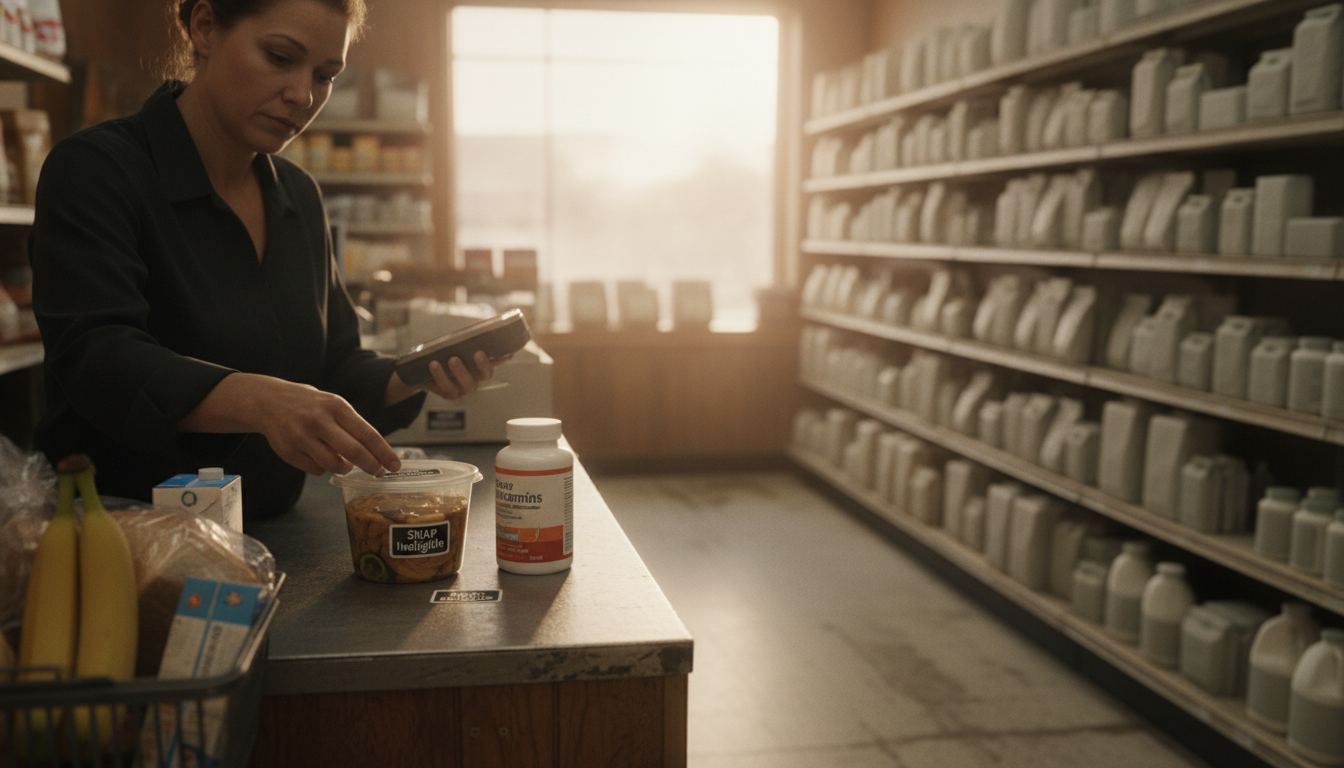
USDA's eligible-foods list and retailer ineligible notice, retrieved 2026-09-10. Hot food, alcohol, tobacco, Supplement Facts, and why a wrong PLU can cost the SNAP Permit.

What an ID scanner reads off a driver license barcode, what it does not read, what a scan protects you from, and what to do when the scan fails.
Nobody processes cards for nothing. What free actually means, the three models sold under that name, and the rules and trade-offs before you move the cost.
Visa publishes its merchant rules itself and revises them. What they govern, how discounts differ from surcharges, and why debit is where stores trip up.

Three separate rulebooks govern it: your state law, the card network rules, and your own merchant agreement. How to check all three.
EBT does not ride the same rails as a card sale. What Square EBT processing depends on, the USDA step nobody mentions, and what to ask a POS vendor.
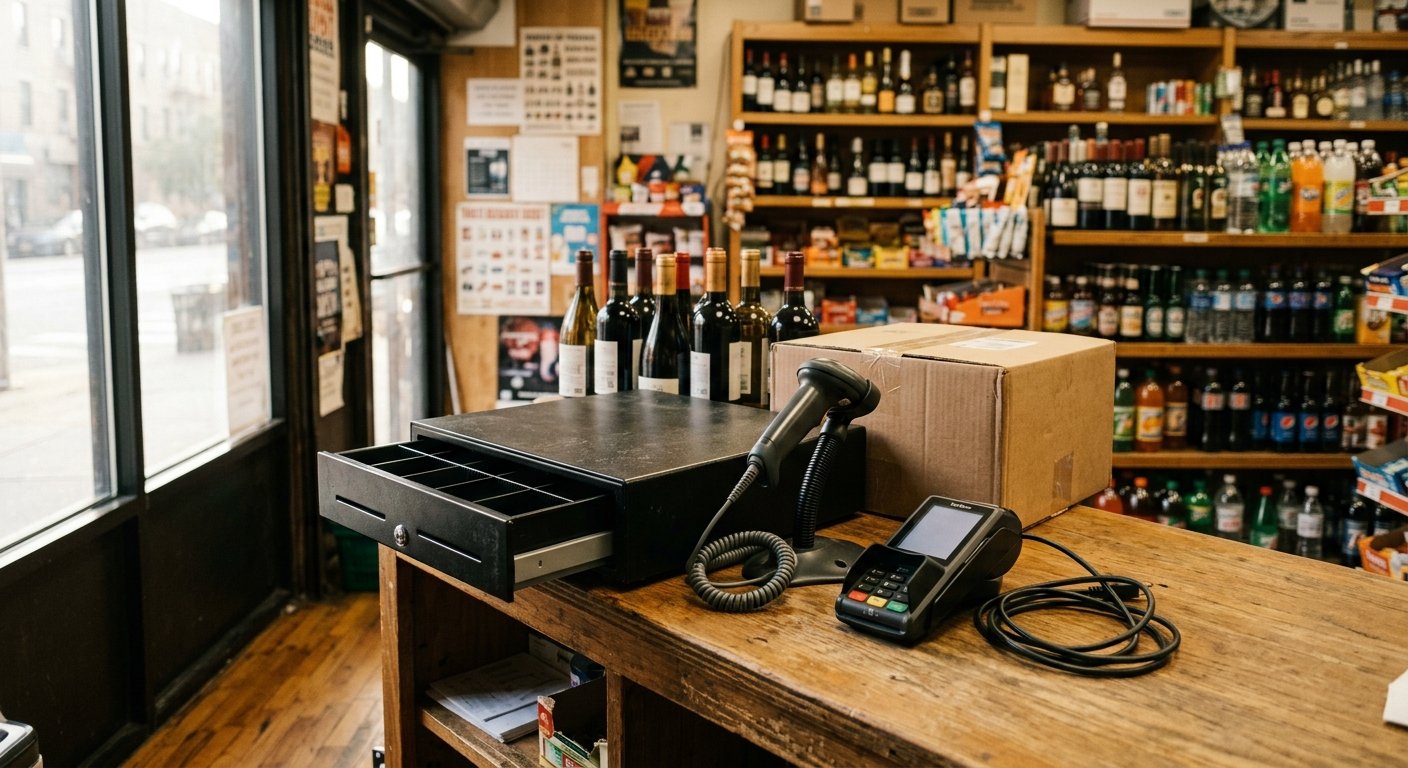
The short answer to can i buy hardware separately from my pos software contract is yes for drawers, printers, and scanners. Pin pads often stay locked.

POS sales history when switching stays on the old vendor cloud. Export tickets and reports before you cut over, then rebuild the item catalog.
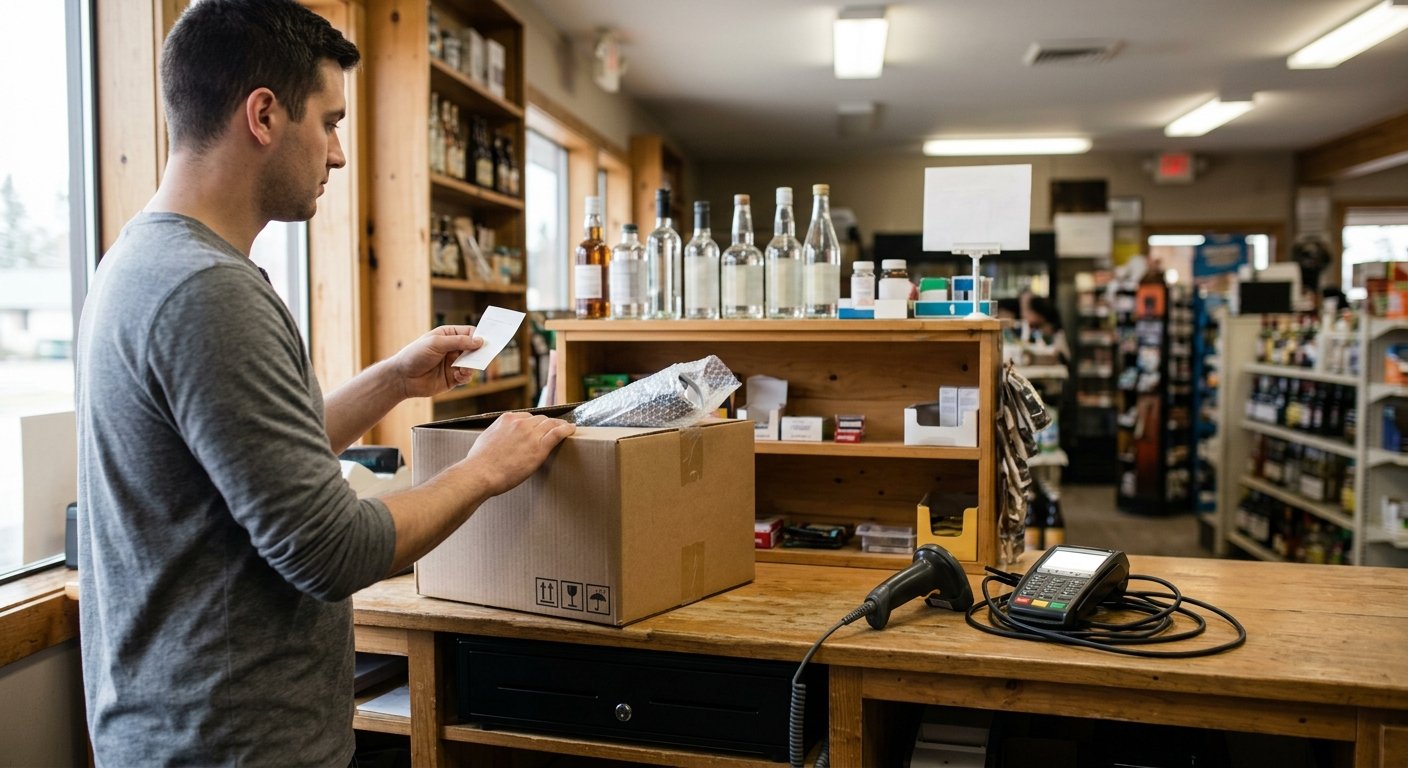
You can keep POS hardware when switching if you own it and it is not locked to the old processor. A leased or branded PIN pad usually stays behind.

Export your POS item file before you switch: SKU, UPC, price, cost, tax, age and SNAP flags. What most registers will not give you, and how we rebuild the rest.
Check state WIC approval, the exact POS configuration and checkout requirements before buying. SNAP acceptance alone does not settle WIC compatibility.

A store can change POS systems without shutting the doors. The data work that decides the timeline, the cutover sequence, and the four things that go wrong.

Any list of processing companies mixes five kinds of business. What each one does, why the names are not comparable, and how to get down to three real options.
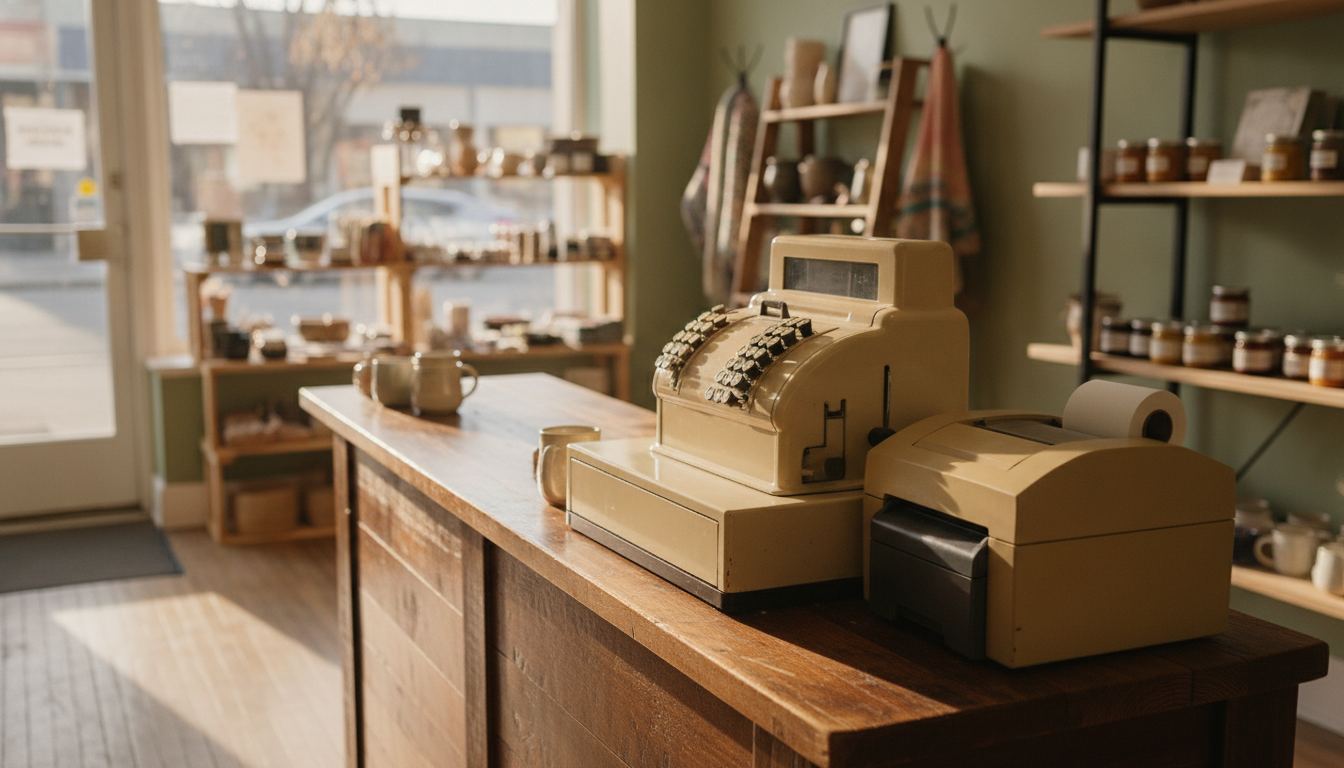
A secondhand Square register can make sense if support, ownership and every component checks out. Learn when the bargain is real and when to walk away.

Decoding the pitch: what the program usually is, the questions to ask before signing, what the paperwork has to say, and the version worth turning down flat.
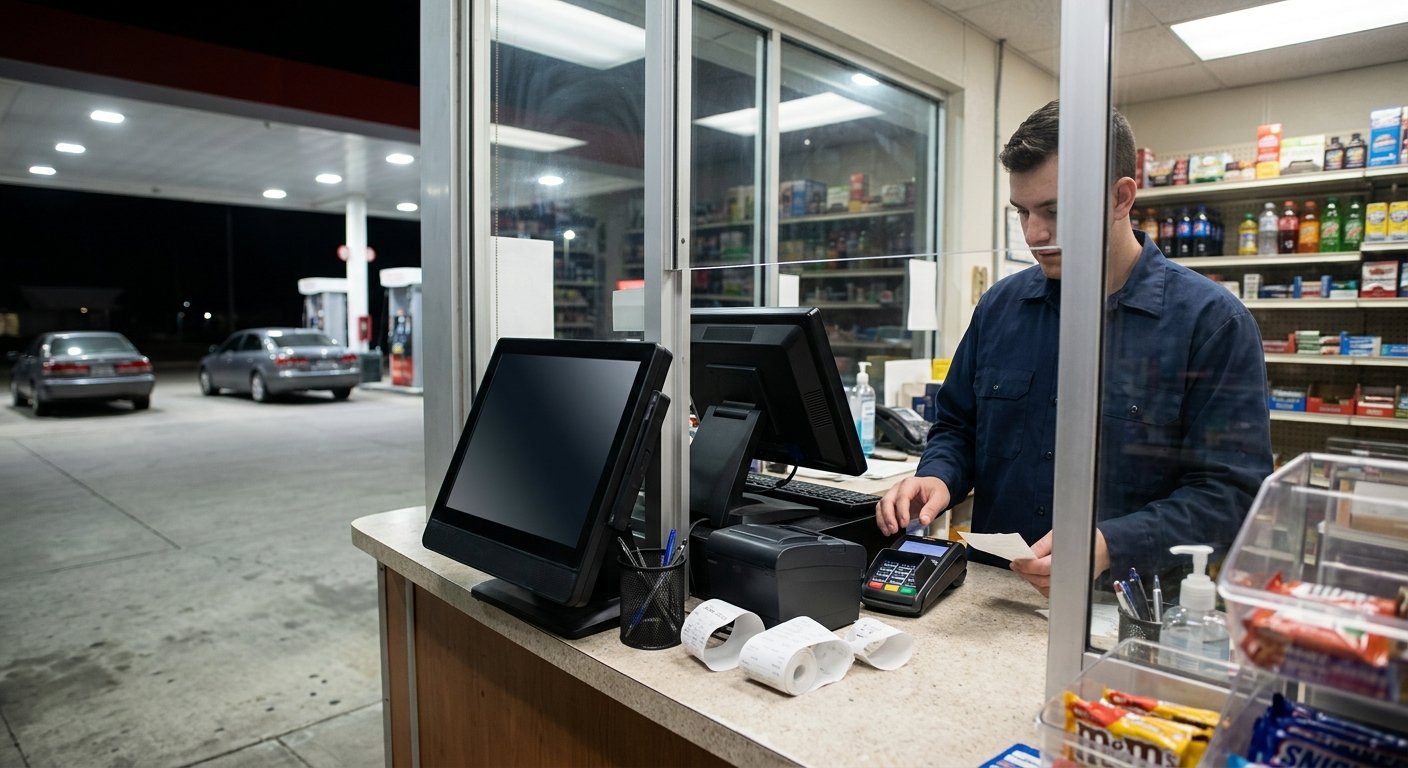
Gas station POS reconciliation is pump totals versus inside totals. Learn pre-auth, drive-offs, lottery, and what the register has to show before you lock up.
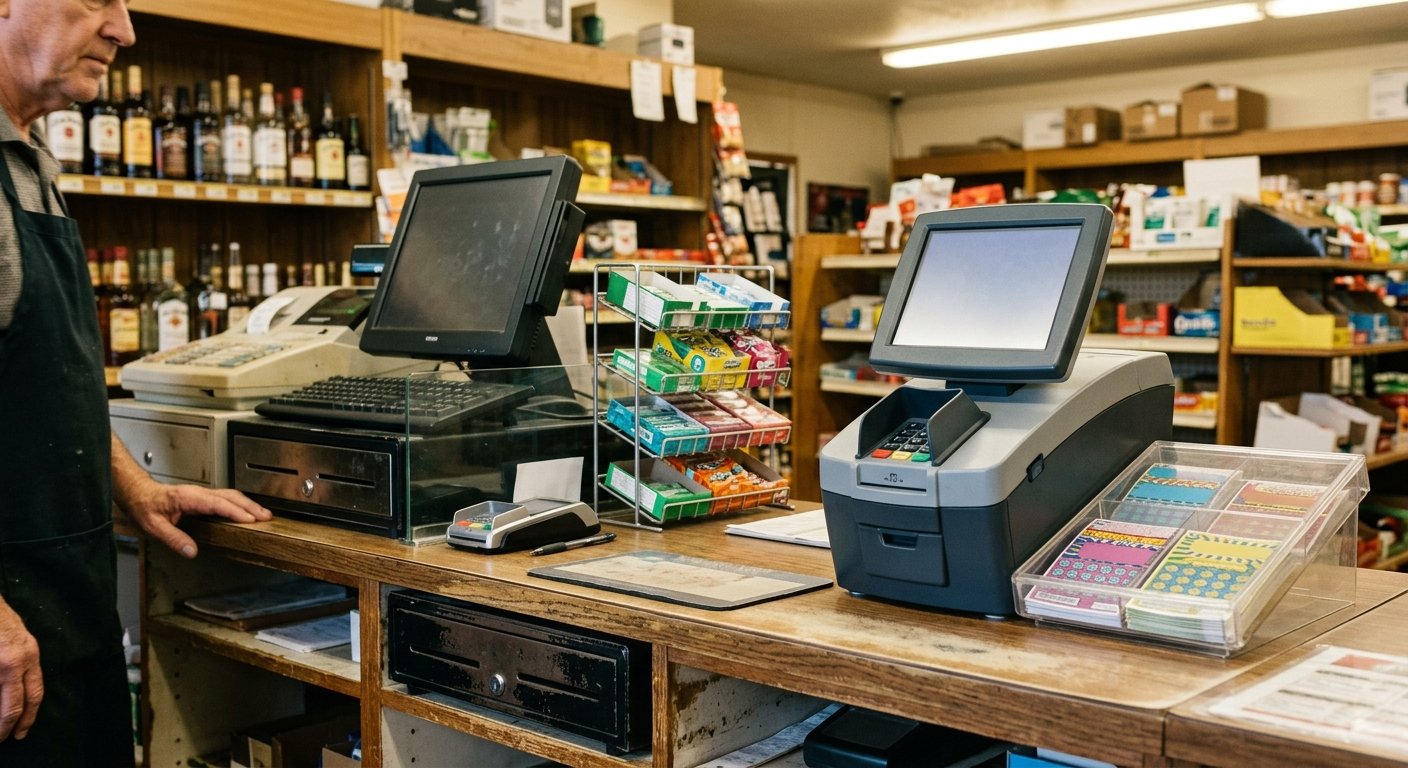
Lottery terminal POS integration never happens because the state runs its own box. Your night close still has to balance both tills by hand each shift.

Case break inventory is pack size on the item, not a counting crew. Twelve bottles in, two sold, on-hand goes negative until the register knows the break.
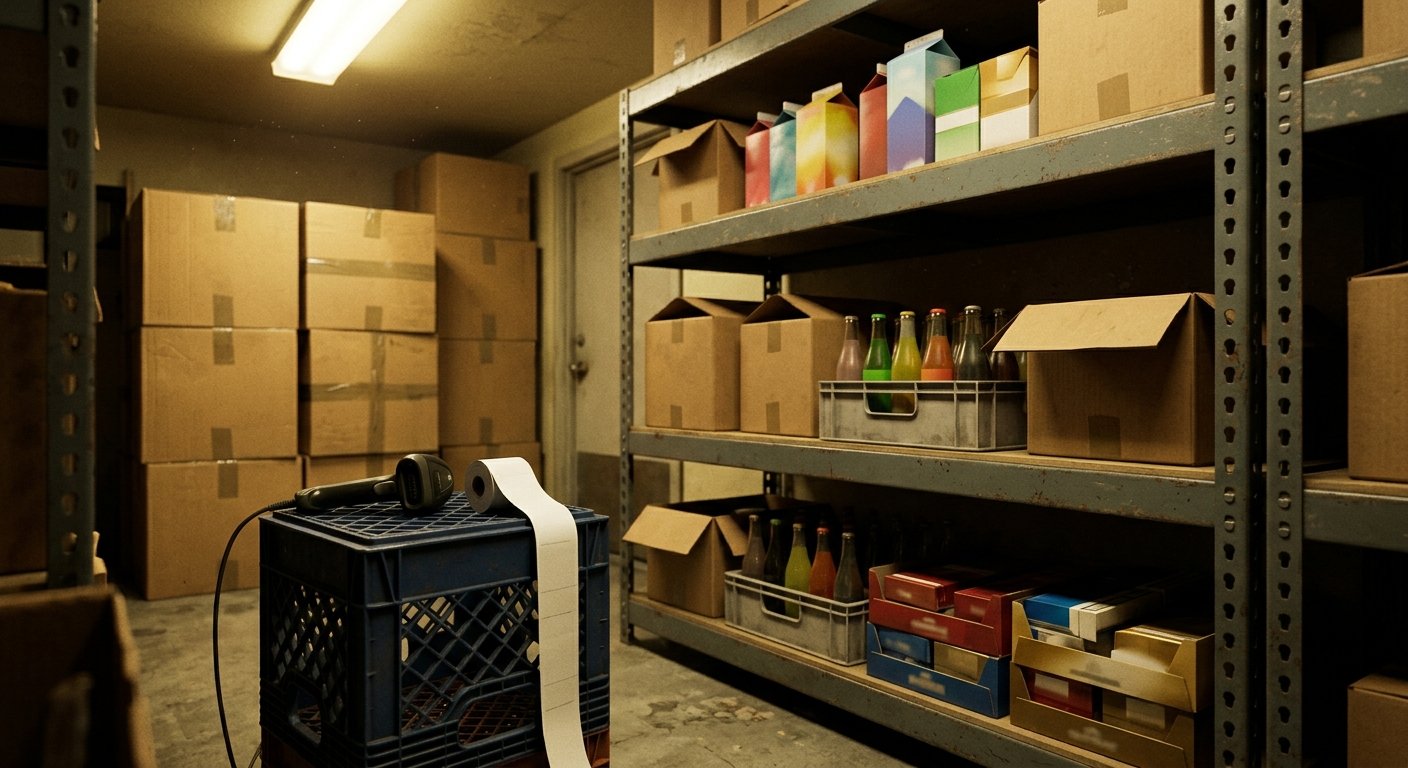
Convenience store inventory management is case, pack, and single on one SKU, tied to the register. How we set the item file so deliveries and credits land.
Offline sales and offline card payments can behave differently. Check register access, payment limits, receipts and resync before an outage hits your store.
Compare counted cash, POS payment totals and terminal reports without mixing floats, sales and bank deposits. A practical retail closing checklist.
A $150 pending pump charge is usually a pre-authorization hold, not an extra sale. Who sets the amount, how long it lasts, and what cashiers should say.
There is no honest hour count that fits every store. A staff training test for lookup, voids, age prompts, SNAP split, and weighed items, and what 'easy' actually hides.
What liquor store inventory software has to do that a general system will not, why counts drift, and what a professional inventory service actually buys you.
Decide whether to keep or replace your Verifone setup by checking checkout speed, inventory control, age checks, support and processing terms.
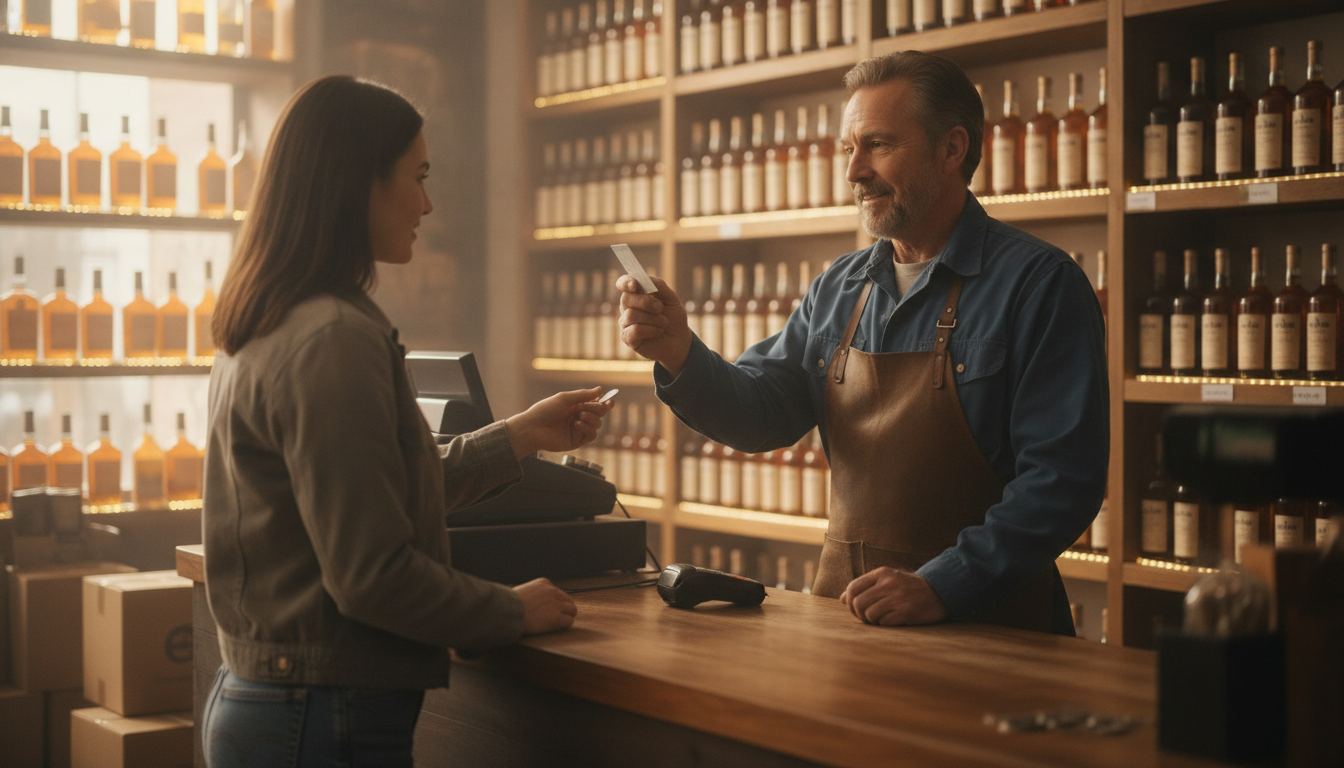
No official template exists, so here is wording for the door, the register and the shelf, plus the phrases that cause complaints and what the receipt must show.
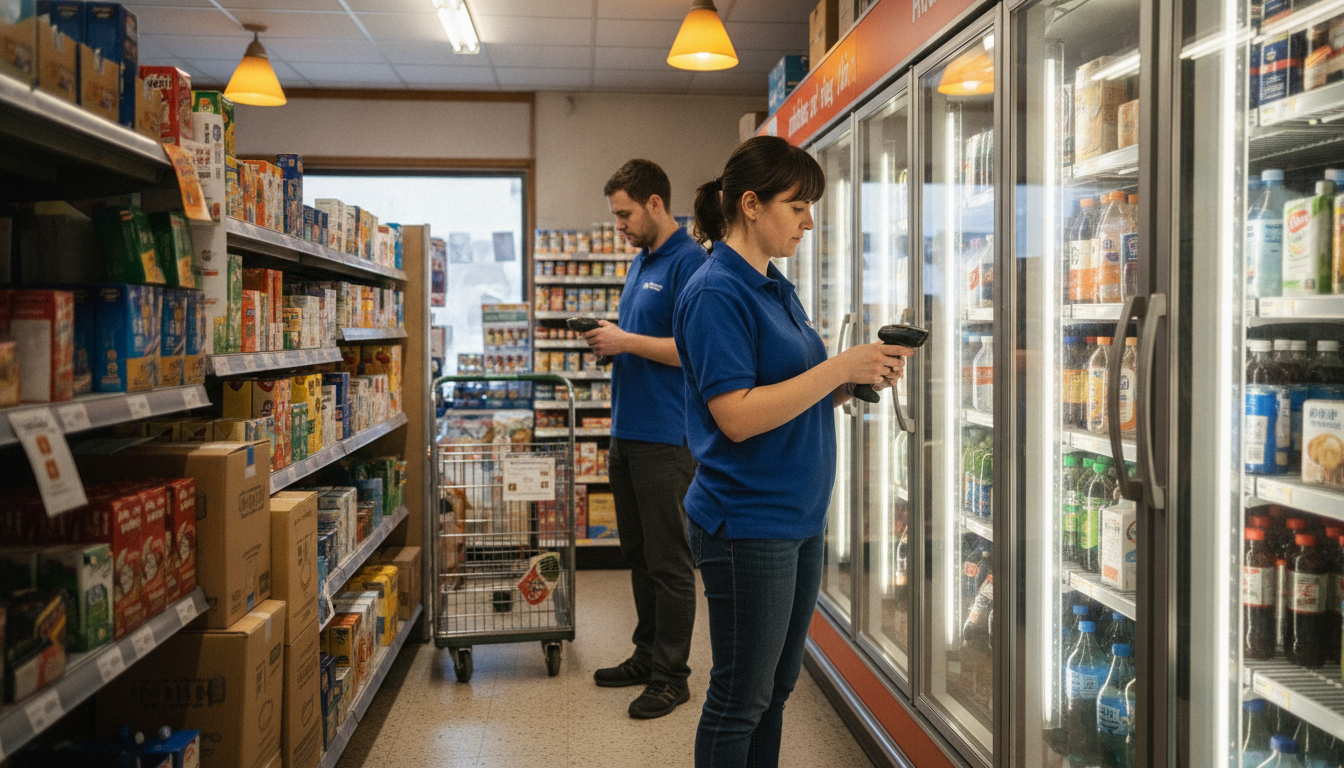
A paid count is a snapshot with an expiry date. The test for whether you need one, how to prep the store, and the deliverable to insist on up front.
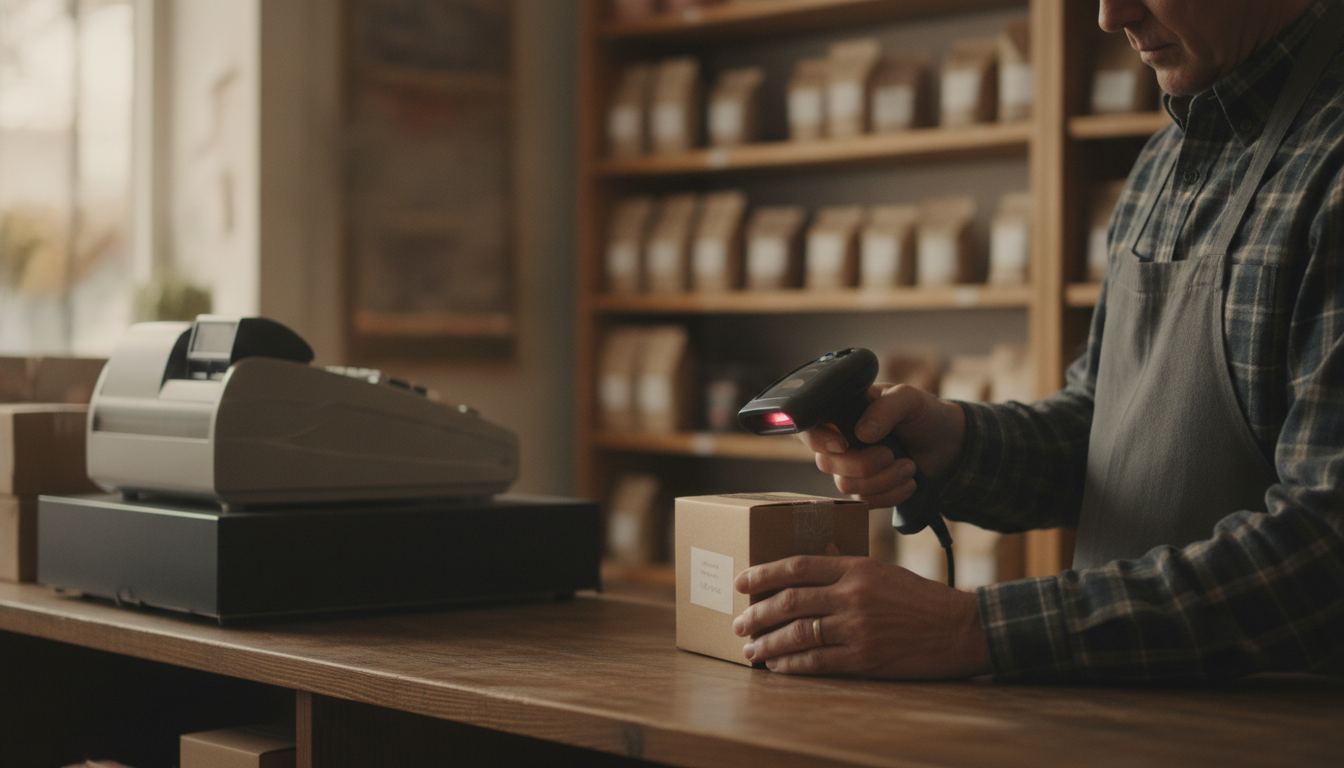
The columns a lottery inventory spreadsheet needs, the shift routine that makes it balance against the terminal report, and where a sheet stops working.
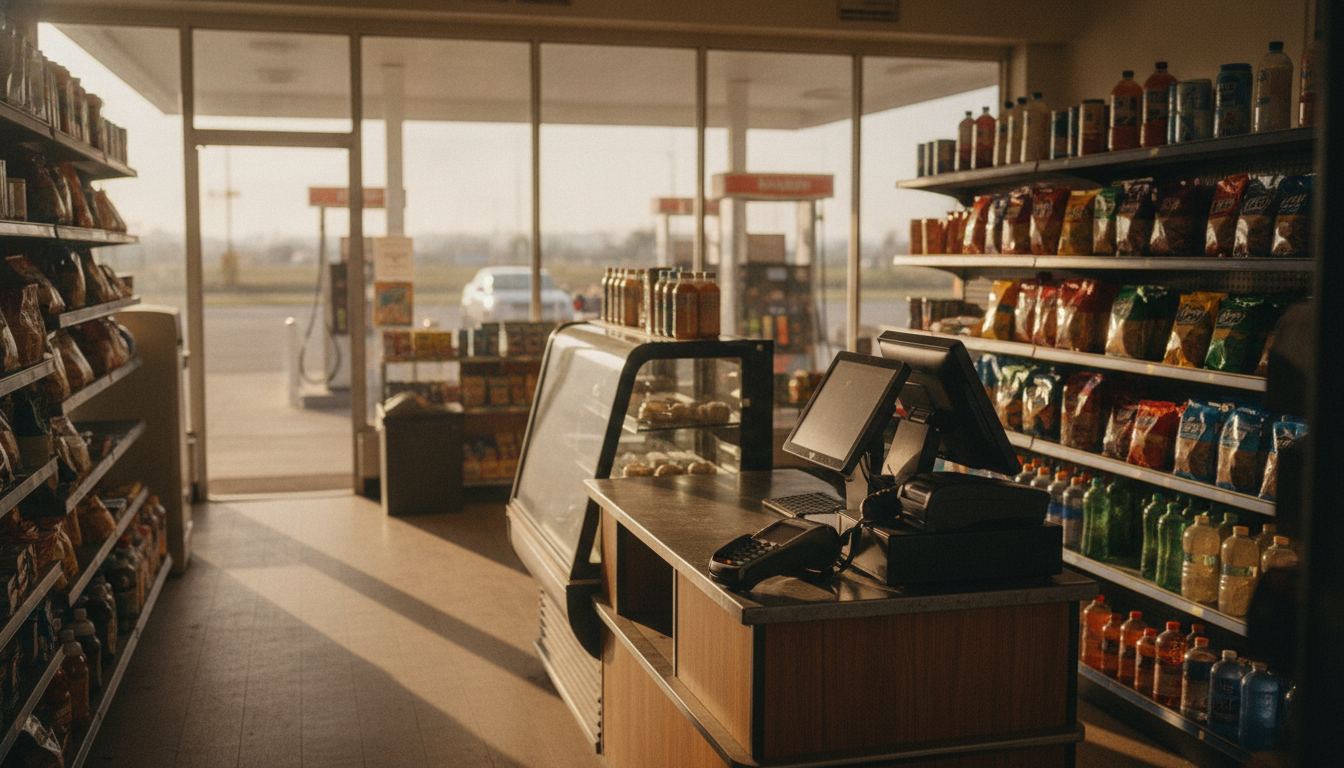
Four reconciliations decide whether gas station back office software works: fuel, jobber invoices, inside sales and cash. What to test in each.
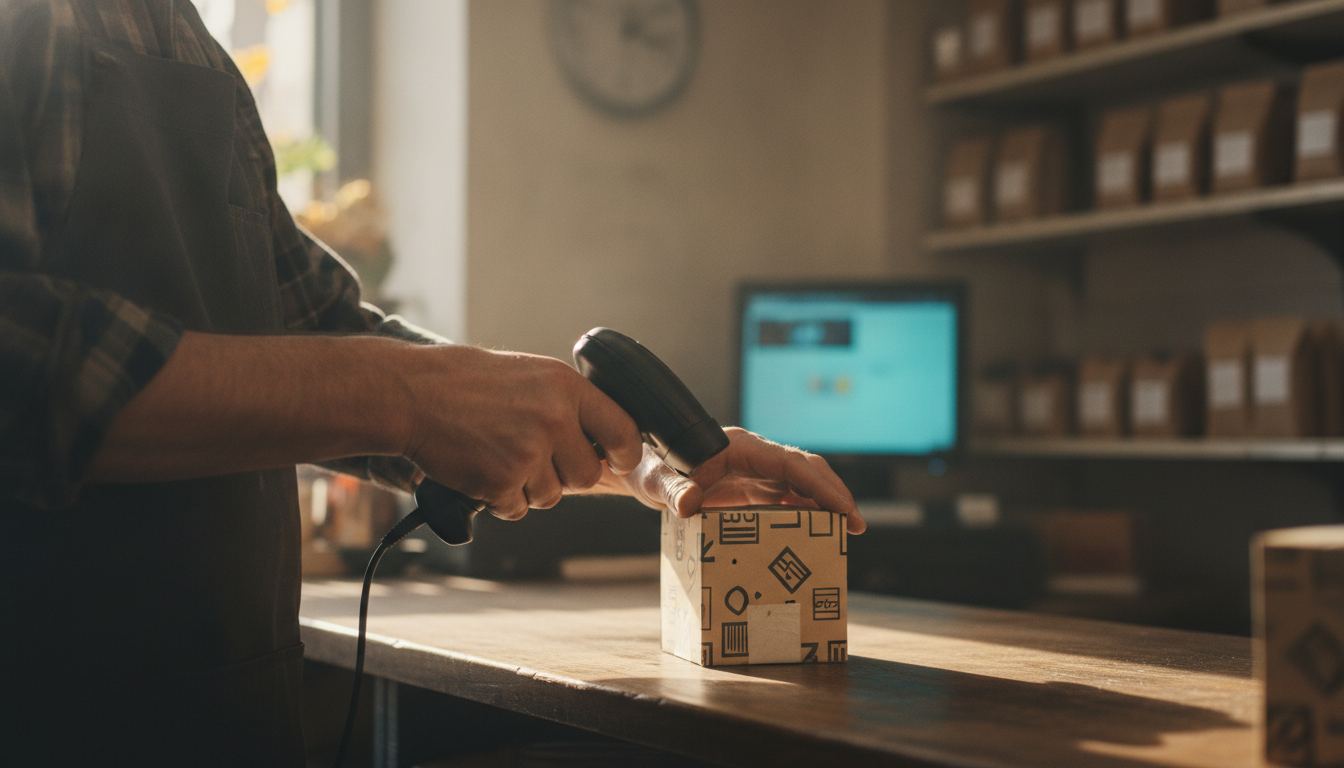
Scan data is the itemized tobacco sales feed your register sends a manufacturer in exchange for program payments. What it includes and what you trade away.
Tell us about your store and we come back with real numbers, in writing.