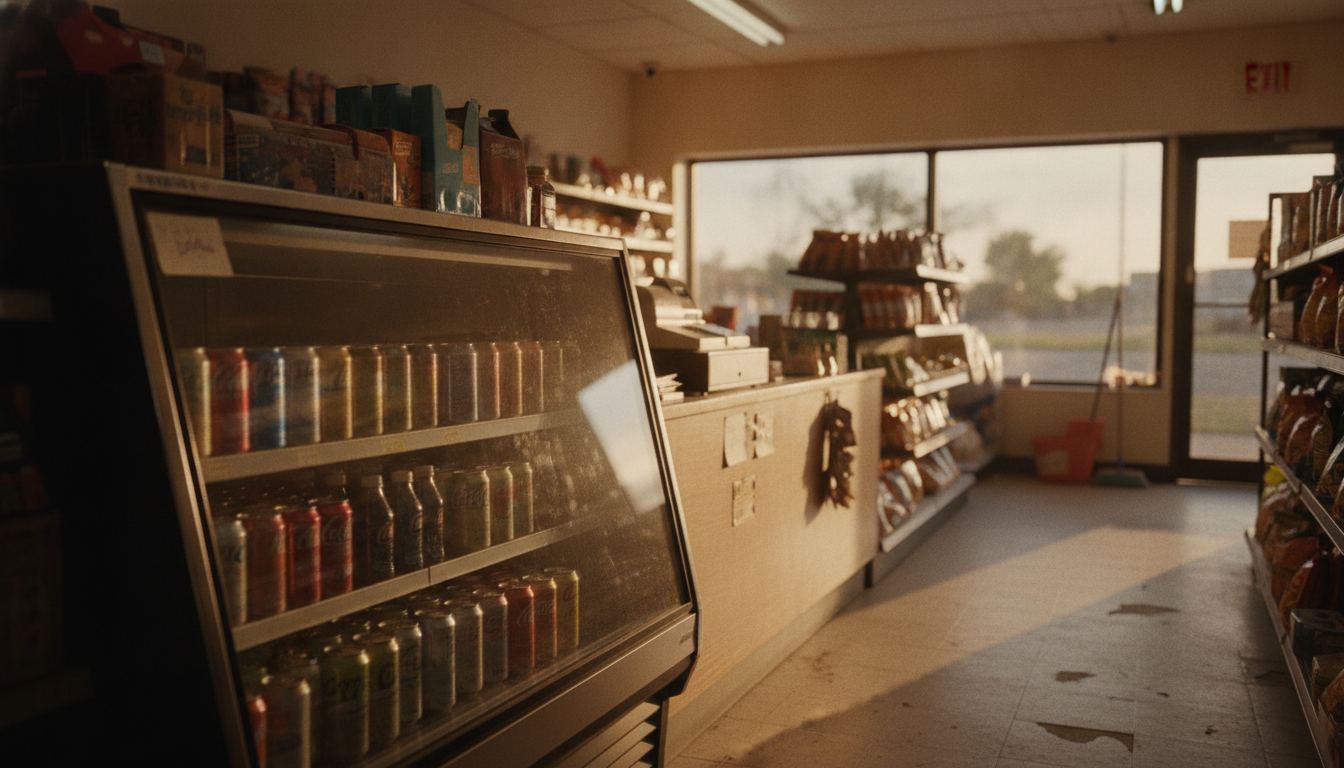
A SNAP junk food ban is not a new federal list of soda UPCs. USDA Food and Nutrition Service is approving state Food Restriction Waivers that take soda, candy, or both off SNAP in that state. The cashier cannot guess. The item file has to know. We set those flags when we board a store. We cannot authorize SNAP, and we cannot invent a state’s definition.
What a SNAP junk food ban actually is
Federal SNAP still has a national eligible-foods rule. Hot food, alcohol, tobacco, gasoline, pet food, vitamins, and non-food household goods were already out. That walk is what you cannot sell on SNAP. A junk-food waiver is extra: a state asks FNS to treat soda, candy, energy drinks, or similar as not “food” for SNAP in that state.
FNS’s waiver page (retrieved 2026-09-17 from fns.usda.gov/snap/waivers/foodrestriction) is the live table. Definitions and dates differ by state. Some rows on that table, retrieved the same day, print this court line: on June 22, 2026 the U.S. District Court for the District of Columbia in Aragon et al. v. Rollins et al., 1:26-cv-00861 (D.D.C.), ordered that FNA’s approval of the waiver be vacated and that the waiver’s implementation may not proceed. Do not program soda or candy as SNAP-ineligible from an approval letter if the live table says implementation may not proceed.
FRAC’s June 23, 2026 summary of that ruling (retrieved 2026-09-17 from frac.org) names the five demonstrations in the case as Colorado, Iowa, Nebraska, Tennessee, and West Virginia, and says other approved state restrictions remain unless USDA withdraws them or a court separately invalidates them. That is FRAC’s reading, not a legal opinion from us. Open the FNS table for your state. If the row is vacated, keep the federal eligible-foods flags. If the row is in effect, program that state’s definition. Do not copy a Facebook graphic.
What FNS expects the retailer and the POS to do
FNS’s retailer-compliance memo (retrieved 2026-09-17 from fns.usda.gov/snap/admin/foodrestriction-waivers-retailer-compliance) says SNAP retailers must update point-of-sale equipment, train employees, and make other preparations, and that walk-in SNAP stores in an implementing state must follow that state’s waiver. That memo is dated December 30, 2025, before the June 22, 2026 order. Use it only for a state whose live FNS row is actually implementing. If the table says implementation may not proceed, do not treat the 90-day grace or the undercover-buy process as live in that state.
Where a waiver is in effect, existing authorized stores get a 90-day grace after that state’s implementation date. New stores authorized after the grace window do not get it. After grace, FNS said investigators would try to buy restricted items. That is FNS’s published process on the memo, not a prediction of your store, and it only applies if the waiver is proceeding.
The register job is the same as any SNAP split: eligible lines on EBT, the rest on cash or a card. Split tender on EBT is the mixed basket. The waiver adds a second layer of flags on soda and candy that used to be eligible food.
How soda and candy flags differ from ordinary SNAP flags
A cola with a Nutrition Facts label was SNAP-eligible under the federal rule in most stores. Under a soda waiver it is not, in that state, on SNAP. Diet vs regular, energy drinks, juice drinks under a juice-percentage cutoff, and candy-with-flour exceptions are state definitions. FNS tells retailers to use the state’s definition, not a homemade category.
Do not mark every beverage ineligible. Milk, 100% juice if the state keeps it, and water usually stay eligible. Read the state’s retailer notice. If the POS only has one “SNAP” toggle, you will block milk or pass soda. That is a file defect, not a cashier defect.
EBT POS still has to exist first. You cannot accept SNAP until FNS authorizes the store. The waiver is a programming change after the permit.
What to test before the state’s date, and after grace
Ring a soda, a candy bar, and a gallon of milk in one basket. Pay EBT first. The EBT amount should be milk only, if that is the state’s rule. Pay cash or a card for the rest. Read the receipt. Then try the same basket as a cash sale, because cash is not SNAP.
Ask the vendor who owns the item flags: you, a supplier file, or a third-party SNAP database. Ask what happens when a neighboring state’s customer uses SNAP in your store. FNS’s memo says stores in the implementing state follow that state’s waiver.
Train the line. A waiver does not change the face of the can. The prompt has to fire, the same way beer already does for age.
What we set when we board a store in a waiver state
You tell us the state. We pull the current FNS table and the state’s retailer notice, then flag soda and candy to that definition in the item file before the terminal ships. If you are not in a waiver state, we do not invent one. If the table changes, the file has to change. We stay on the phone through the first busy shift. We are not FNS, and we do not sign you off.
Frequently asked questions
Is this the same as the federal SNAP ineligible list? No. Alcohol, hot food, and gasoline were already out everywhere. A junk-food waiver is extra, by state.
Can I keep selling soda? Yes, for cash and cards. The waiver restricts SNAP, not the shelf.
When does FNS start checking? Only if your state’s live FNS row is implementing. Then the memo’s 90-day grace is tied to that state’s date. If the table says implementation may not proceed, do not run soda blocks on SNAP from a vacated approval.